May 5, 2026, 1:33 PM
by
Nathan Reeves
5 min read
Beyond SWIFT and Stablecoins: What to Watch as the World Builds Sanction-Proof Payment Rails
May 5, 2026, 1:33 PM · by Nathan Reeves
Crypto is only one of the channels being developed to route trade around Western financial power. The bigger shifts involve state-backed systems and local-currency deals.
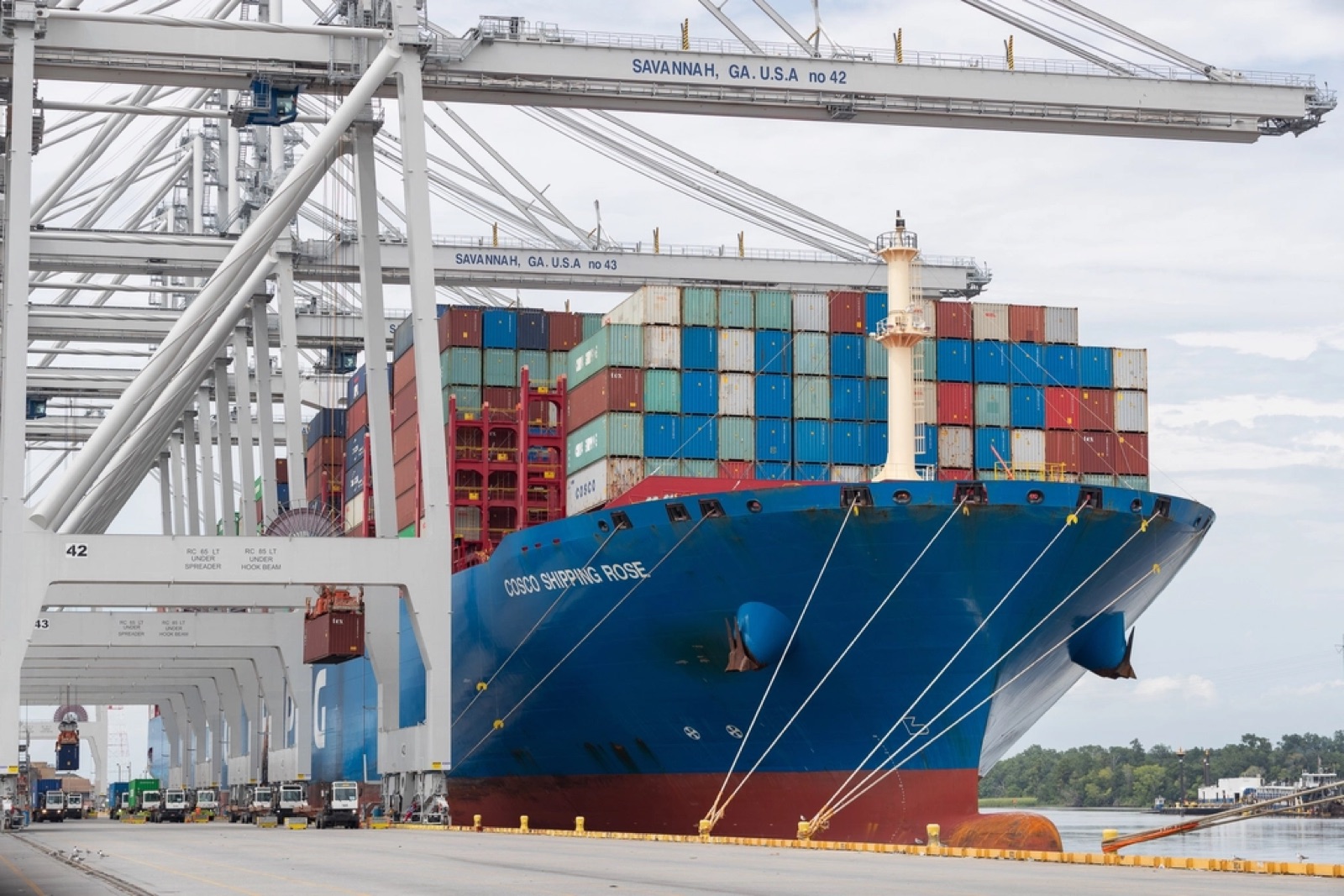
Every major use of financial sanctions sends a message beyond its immediate target. When Western governments froze a large portion of Russia's central bank reserves in 2022 and cut major Russian banks off from the SWIFT messaging system, other governments took note. Since then, a range of countries have accelerated efforts to build payment channels less exposed to Western financial power. Crypto is part of that story, but a smaller part than headlines suggest. The larger shifts involve state-backed payment systems, bilateral currency arrangements and experiments with central bank digital currencies. For anyone watching the future of sanctions and trade, these are the channels that matter.
Why the push for alternatives is growing
The dollar's central role in global trade and finance gives the United States unusual leverage. Most cross-border transactions involve dollar-clearing banks at some point, and those banks must comply with US sanctions. The euro area, the UK and Japan add their own leverage through their currencies and financial centers. For countries that fear becoming targets, or that simply want more autonomy, reducing dependence on this infrastructure has become a strategic goal. That does not mean the dollar is about to be displaced; by most measures, its share of global reserves and trade invoicing has changed only gradually. It means the edges of the system are becoming more contested.
The main alternative channels
| Channel | What it is | Strengths | Limits |
|---|---|---|---|
| CIPS | China's cross-border yuan payment system | Growing volumes; state backing | Still uses SWIFT messaging for much traffic; yuan convertibility limits |
| SPFS | Russia's domestic financial messaging system | Insulated from SWIFT disconnection | Limited foreign participation |
| Local-currency settlement | Bilateral trade in national currencies | Avoids dollar clearing | Imbalances leave surplus currencies hard to use |
| Cross-border CBDC platforms | Shared ledgers for central bank digital currencies | Direct settlement between central banks | Early stage; governance and trust issues |
| Crypto and stablecoins | Private digital assets | Fast, borderless | Traceable; conversion bottlenecks; freeze risk |
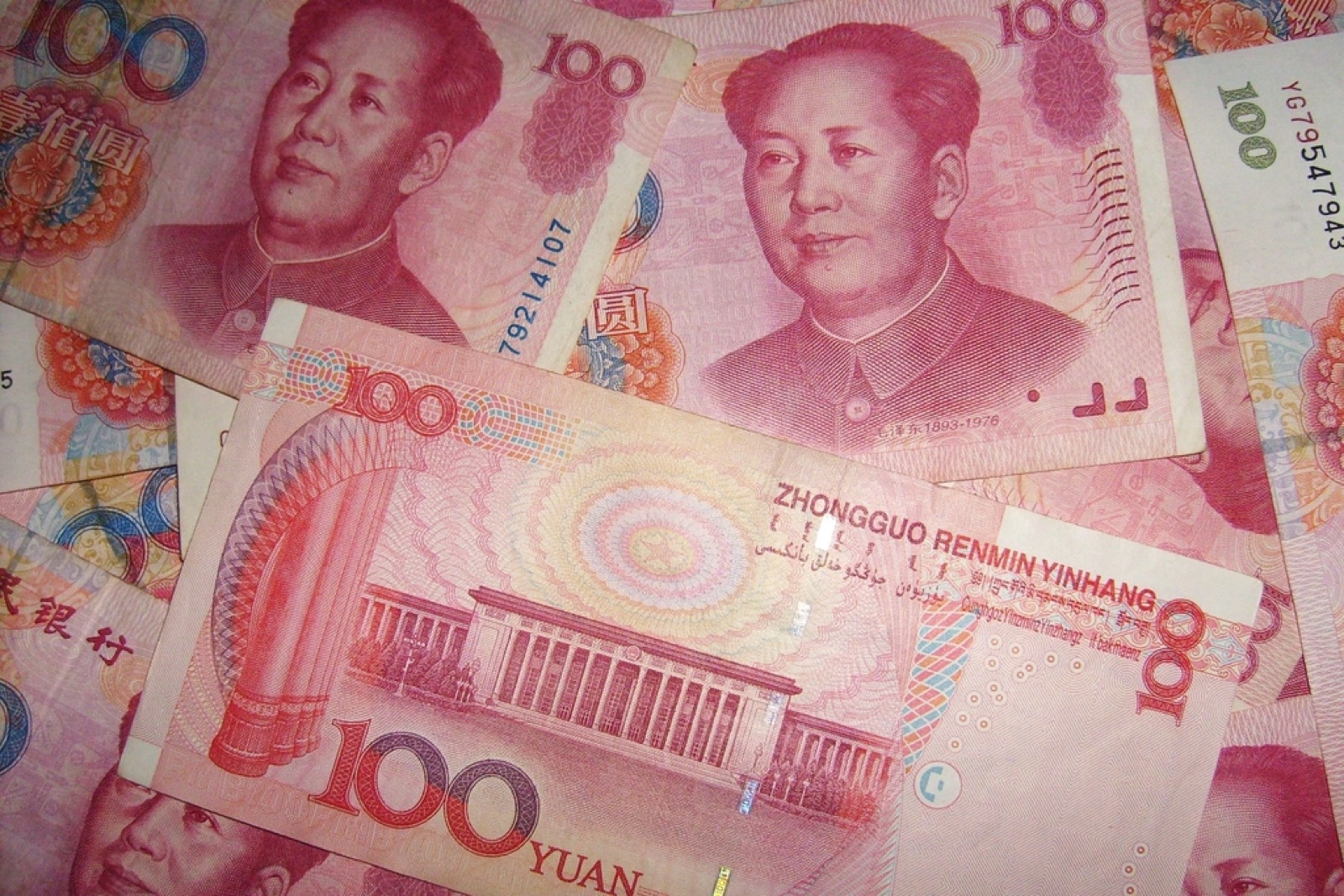
Of these, China's Cross-Border Interbank Payment System has the greatest potential significance, because it is backed by the world's largest trading economy and a growing share of its trade is invoiced in yuan. Local-currency settlement has expanded, notably between Russia and China, but has revealed its own problems. Russia's trade with India, for example, generated rupee balances that were difficult to use, illustrating that avoiding the dollar requires a currency your partner actually wants.
There are also quieter, less formal arrangements. Netting schemes, in which traders in two countries offset payments against each other so that little money actually crosses a border, have a long history in informal finance and have reappeared in sanctioned trade. Barter-like deals, payments through chains of intermediary companies in third countries and the use of smaller regional banks with no Western exposure all serve the same purpose. They are costly and slow, but for sanctioned trade the alternative is often no trade at all, which makes these frictions an accepted cost of doing business.
The CBDC dimension
Cross-border CBDC platforms have drawn particular attention. The mBridge project, which connects central banks including those of China, Hong Kong, Thailand, the United Arab Emirates and Saudi Arabia, reached a stage the BIS described as mature before the BIS stepped back from it in 2024. Western officials have been cautious about such platforms, given their potential to bypass correspondent banking. Discussions among BRICS members about common payment infrastructure have generated many announcements but, so far, limited operational results.
Sanctions are a tax on the dollar's usefulness. Every time they are used, someone somewhere starts building a way around them.
Where crypto fits
Crypto's role in sanctioned trade is real but specialized. It is useful for small and medium transactions, for moving value through gray-market brokers and for sanctioned actors that have no other access to hard currency. It struggles with large volumes, because liquidity for converting crypto into local currencies is limited and every large on-ramp or off-ramp is a potential enforcement target. Dollar stablecoins, the most liquid crypto asset, are issued by companies subject to US law. Non-dollar stablecoins issued in sympathetic jurisdictions lack acceptance. For a state that needs to settle billions in oil or grain trade, crypto is an auxiliary channel, not a foundation.
Signals to watch
- Yuan share in trade invoicing and CIPS volumes, particularly for commodities.
- Operational use of cross-border CBDC platforms rather than announcements.
- Enforcement against third-country intermediaries, including banks and exchanges in Central Asia, the Gulf and Southeast Asia.
- Stablecoin issuers' freeze activity and the treatment of non-dollar tokens linked to sanctioned states.
- Central bank gold purchases, which some countries use as a reserve asset outside the reach of financial sanctions.
Gold deserves a special mention. Central banks in a number of emerging economies have been significant buyers of gold in recent years, which many analysts link to concerns about the security of reserves held in Western currencies. It is not a payment system, but it is part of the same strategic hedging.
A slow diversification
The overall trend is toward a more fragmented international payment architecture, with the dollar-based system still dominant but surrounded by a growing set of alternatives. None of them, crypto included, currently threatens the dollar's central role, but together they make sanctions somewhat less effective and more expensive to enforce. The outcome will depend less on technology than on trust, liquidity and geopolitics. Western sanctions policy will likely adapt by focusing more on intermediaries and third countries, while countries building alternatives will focus on making them usable at scale. This is analysis, not investment advice.