
May 6, 2025, 8:36 PM
by
Nathan Reeves
5 min read
Should Governments Hold Bitcoin? The Strategic Reserve Debate Explained
May 6, 2025, 8:36 PM · by Nathan Reeves
Washington now has a bitcoin reserve on paper, and US states and foreign officials are weighing their own. The arguments on both sides deserve a closer look.
For centuries, national reserves have meant gold, foreign currencies and, more recently, claims on the International Monetary Fund. In March 2025 the United States added something new to the conversation. An executive order signed by President Trump established a Strategic Bitcoin Reserve and a separate Digital Asset Stockpile, both funded initially with cryptocurrencies the federal government already holds, largely from criminal and civil forfeiture. The order instructed agencies not to sell those holdings and left the door open to acquiring more, provided it could be done without new costs to taxpayers.
The decision turned a campaign slogan into policy and gave the idea of sovereign bitcoin holdings a legitimacy it previously lacked. It also triggered a wave of copycat proposals. The debate that follows is one of the more consequential in the politics of money, because it asks what reserves are for in the first place.
What the US order actually does
The executive order is narrower than some of the rhetoric around it. It does not direct the Treasury to buy bitcoin on the open market, and it does not change the dollar's legal status. It consolidates coins that the government would otherwise auction off and commits to holding them. Estimates of the government's holdings vary, partly because some coins may be subject to legal claims by victims of the crimes that led to seizure.
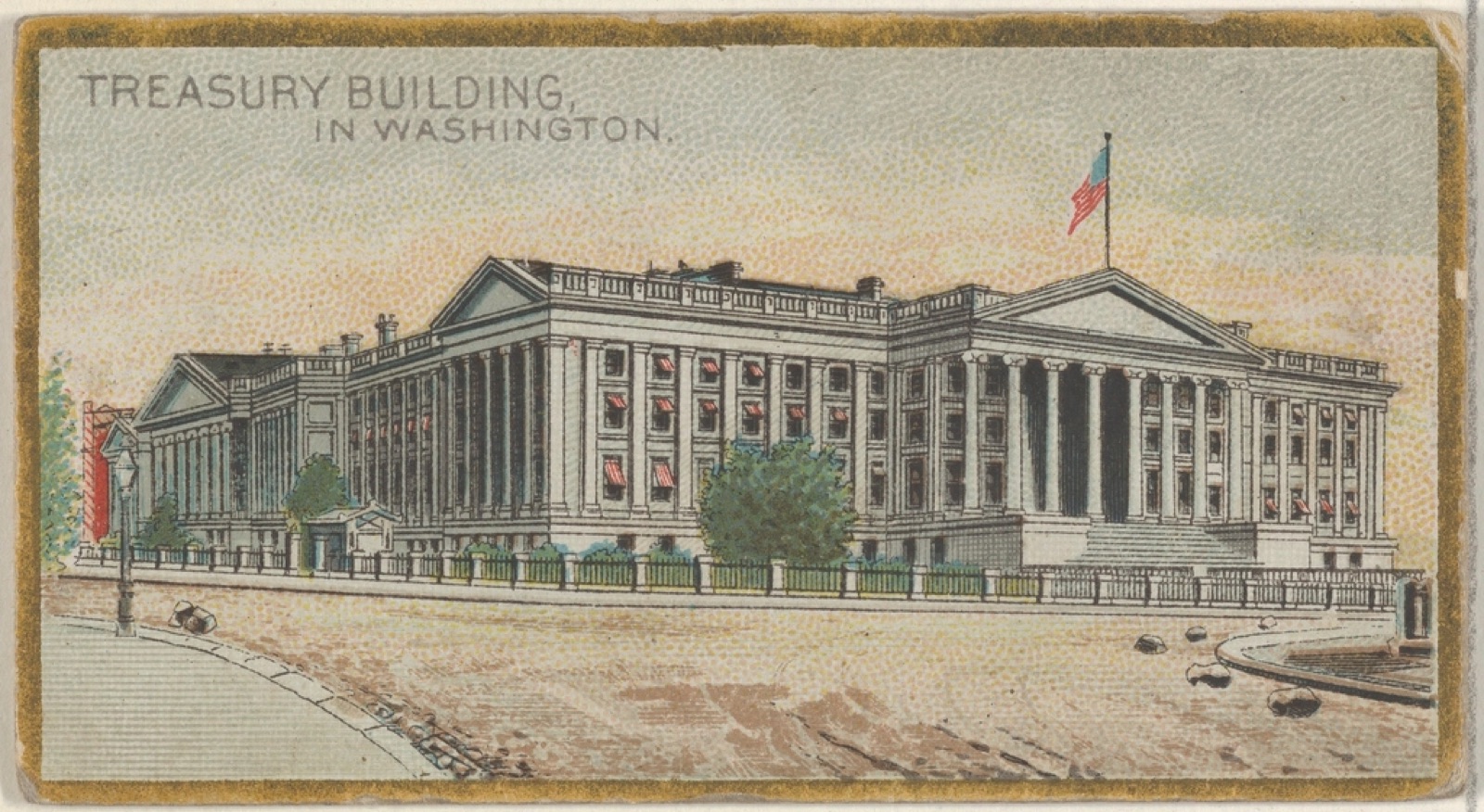
Congress is considering more ambitious legislation. Proposals circulating in the Senate would authorize the government to purchase a large amount of bitcoin over several years. Passage is uncertain, and budget-neutral funding mechanisms, such as revaluing gold holdings at market prices, would face technical and political objections.
The case for
Supporters make several arguments, which tend to fall into three groups:
- Scarcity and hedging. Bitcoin's fixed supply schedule makes it, in their view, a hedge against inflation and currency debasement, similar to gold.
- Strategic positioning. If bitcoin becomes a globally important asset, a country that accumulates early gains an advantage, while one that waits may pay more later.
- Signaling and industry policy. Holding bitcoin signals support for the domestic digital asset industry and may attract investment, talent and tax revenue.
A further argument is specifically American: that holding bitcoin complements rather than threatens the dollar, because the dollar system's strength rests on deep markets and legal institutions that a reserve asset does not replace.
The case against
Critics, including many central bankers and economists, raise equally serious objections. Reserves exist to be used in a crisis, to defend a currency or provide liquidity. An asset whose price can fall by half within months, as bitcoin's has several times, may be least valuable exactly when it is needed. Bitcoin produces no income and has a short history compared with gold's centuries of monetary use.
There are also governance questions. Custody of large crypto holdings poses operational and security risks. Government purchases could be seen as favoring a particular industry or particular early holders. And reserve managers in most countries are bound by mandates that prioritize safety and liquidity over potential returns.
A reserve asset is judged by how it behaves in the worst week of a decade, not the best year.
States and foreign governments weigh in
The federal move has energized state legislatures. Lawmakers in a large number of US states have introduced bills allowing state treasuries or pension funds to hold bitcoin or other digital assets. Many failed in committee, but several have advanced through at least one chamber this spring, and supporters expect some to become law within months. State-level holdings would be small relative to state budgets, but they would create precedents for public funds holding crypto directly.
Abroad, the reaction has been mixed. El Salvador continues to accumulate bitcoin despite agreeing, in its December 2024 arrangement with the IMF, to make bitcoin acceptance voluntary for businesses and to limit public sector involvement. In Europe, a public suggestion by the head of the Czech central bank that the bank could study bitcoin as a small part of its reserves drew a firm response from the European Central Bank, whose leadership has said it does not expect bitcoin to enter the reserves of euro area central banks. A citizens' initiative in Switzerland seeking to require the Swiss National Bank to hold bitcoin has been collecting signatures, while the central bank itself has expressed skepticism.
The geopolitical angle
Reserve policy is always also foreign policy. Countries have diversified away from the dollar and euro in recent years mainly by buying gold, with central bank gold purchases running at historically high levels since 2022. Bitcoin offers a theoretical alternative that cannot be frozen by a foreign government if held securely. That feature is appealing to states worried about sanctions, but the same states are often wary of an asset they cannot control and whose market is dominated by US-based institutions and exchange-traded funds.
The American decision may, paradoxically, make bitcoin less attractive as a neutral asset for some governments. If the US becomes one of the largest known holders, bitcoin looks less like an alternative to the American financial system and more like another part of it.
What to watch next
The key questions for the coming months are whether Congress authorizes purchases, whether state bills turn into actual holdings, and whether any major central bank moves from studying bitcoin to holding it. So far none of the large central banks has done so. Until that changes, sovereign bitcoin reserves remain more a political statement than a pillar of the international monetary system. As always, this is analysis, not investment advice.