Apr 22, 2026, 12:23 PM
by
Nathan Reeves
5 min read
Mining, Hacking, Tokens: Three Sanctioned States and Their Crypto Playbooks
Apr 22, 2026, 12:23 PM · by Nathan Reeves
Iran, North Korea and Venezuela have each tried to use digital assets to soften sanctions. Their very different strategies show what works and what does not.
Sanctioned governments share a problem: they need hard currency and access to international payments that the dominant financial system denies them. Crypto has been proposed as a solution so often that it is easy to assume every sanctioned state uses it in the same way. In practice, their strategies differ sharply, shaped by their resources, technical capacity and domestic politics. Iran, North Korea and Venezuela illustrate three distinct playbooks. Comparing them is the best way to understand what crypto can and cannot do for a state under sanctions.
Iran: turning energy into exportable value
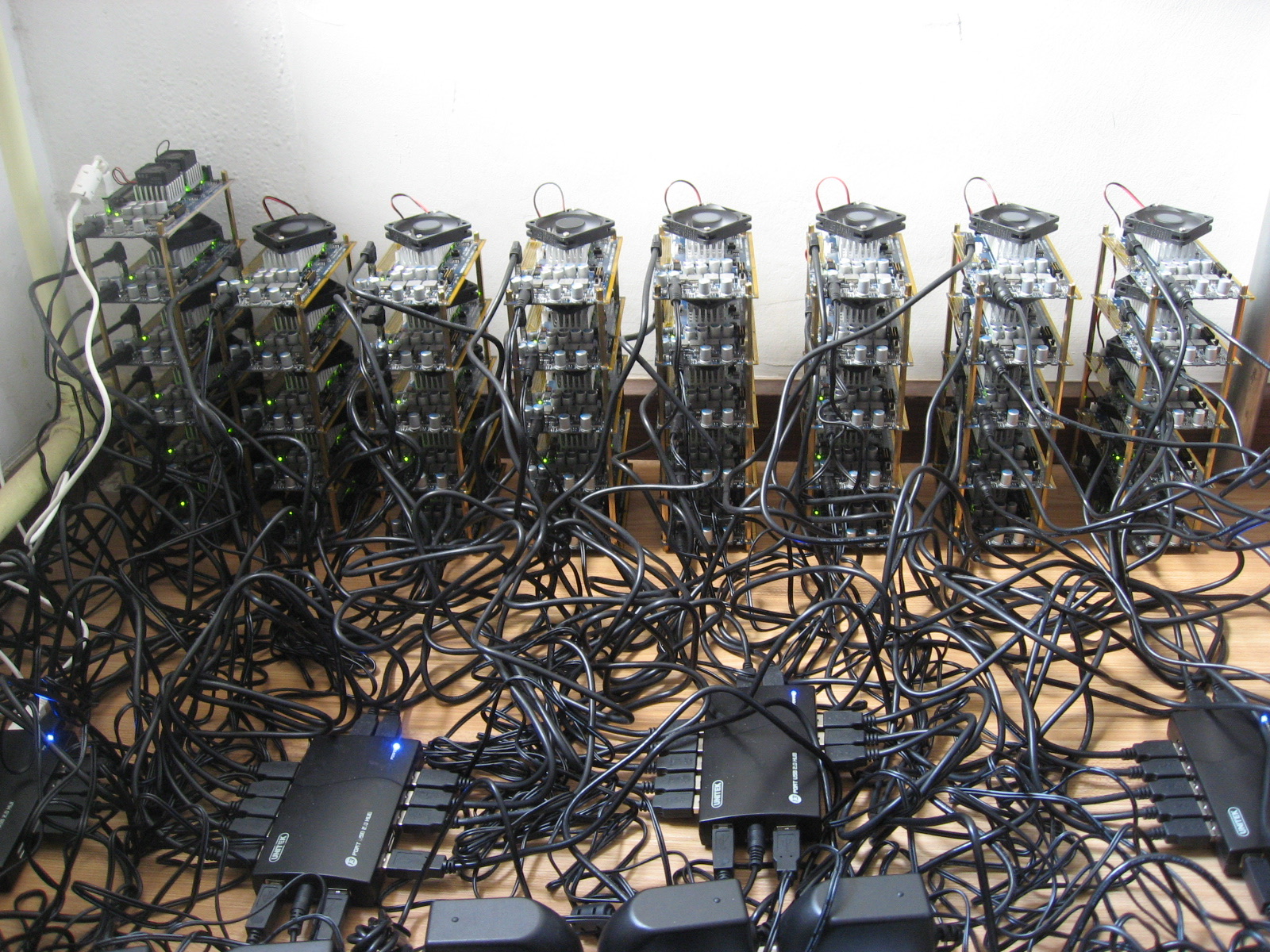
Iran's approach has centered on mining. With abundant subsidized electricity and oil and gas it struggles to sell at full value because of sanctions, the country formally recognized crypto mining as an industry in 2019. Licensed miners were required to sell the bitcoin they produced to the central bank, which could use it to pay for imports. In 2022, the government announced it had used crypto to pay for an import order, signaling an intent to scale the practice. At its peak, Iran was estimated to host a noticeable share of global bitcoin mining.
The strategy has run into limits. Mining strains an electricity grid that suffers frequent shortages, especially in summer, and authorities have repeatedly ordered mining shutdowns and cracked down on unlicensed operations. Domestic exchanges grew into significant platforms for ordinary Iranians seeking to protect savings from inflation. That domestic role became a vulnerability in June 2025, when the country's largest exchange, Nobitex, was hit by a hack claimed by a group linked to Israel during the Israel-Iran conflict, which destroyed tens of millions of dollars' worth of assets by sending them to unusable addresses.

North Korea: theft as state revenue
North Korea's playbook is fundamentally different. It does not use crypto primarily to settle trade; it steals it. Groups associated with its intelligence services, often referred to collectively as Lazarus, have conducted a long series of hacks on exchanges, cross-chain bridges and crypto firms. United Nations experts and governments have assessed that the proceeds help fund the country's weapons programs. The theft of roughly one and a half billion dollars from the Bybit exchange in February 2025, attributed by the FBI to North Korean actors, was the largest crypto hack on record.
North Korean operatives have also posed as remote IT workers to obtain jobs at foreign technology and crypto firms, earning salaries and sometimes gaining access to internal systems. The stolen funds are laundered through chains of swaps, bridges and mixers and eventually converted, often through over-the-counter brokers in Asia. Blockchain tracing has allowed some funds to be frozen, but much has been successfully laundered. For Pyongyang, crypto is less a payment system than a hunting ground.
The laundering phase is where much of the enforcement effort now concentrates. Exchanges and stablecoin issuers have frozen portions of stolen funds when they could identify them quickly, and international cooperation among analytics firms and exchanges has improved. But the speed at which North Korean groups move assets across chains and into less regulated venues means that recovery rates remain low. The pattern has prompted calls for faster information sharing among exchanges and for stricter controls on cross-chain bridges, which have repeatedly served as both targets and laundering routes.
Iran mines, North Korea steals, and Venezuela improvised. Each playbook reflects what the state already had to work with.
Venezuela: a failed token and an informal dollar
Venezuela tried the most state-centric approach. In 2018, the government launched the Petro, a token it claimed was backed by oil reserves, presented as a way to raise money and bypass sanctions. The US quickly prohibited Americans from dealing in it. The Petro never achieved meaningful adoption or credibility and was discontinued in 2024. The failure illustrated a basic point: a state-issued token is only as credible as the state behind it, and a sanctioned state's token inherits both its credibility problems and its sanctions exposure.
Meanwhile, ordinary Venezuelans and businesses adopted dollar stablecoins informally as a hedge against hyperinflation and a means of payment. Media and industry reports have described their use in parts of the economy, including in some commercial transactions linked to the oil sector. This bottom-up dollarization through stablecoins has arguably been more consequential than any government initiative, though it depends on dollar tokens whose issuers can freeze funds at the request of US authorities.
| Country | Main strategy | What it achieved | Main constraint |
|---|---|---|---|
| Iran | Licensed mining; crypto import payments | Monetized some energy; domestic savings outlet | Grid shortages; exchange vulnerability |
| North Korea | State-linked hacking and laundering | Large illicit revenue | Tracing, freezes, conversion bottlenecks |
| Venezuela | State token, then informal stablecoin use | Household hedge against inflation | Token lacked credibility; freeze risk |
What the comparison reveals
- Crypto works best for sanctioned states when it converts something they already have, whether energy, hacking capacity or public distrust of local money, into dollar-like value.
- State-issued tokens without economic credibility fail regardless of technology.
- Conversion into usable currency remains the main bottleneck in every case.
- Household adoption of stablecoins can be more significant than government initiatives, but it is subject to the issuers' compliance with US law.
The limits of the digital escape
None of these states has used crypto to neutralize sanctions. Iran's oil exports and North Korea's trade continue to depend largely on physical smuggling networks, front companies and friendly intermediaries, with crypto as one component. What crypto has done is add options, raise enforcement costs and, in North Korea's case, create a significant illicit revenue stream. For policymakers, the lesson is that crypto-related sanctions enforcement must be tailored: energy and mining controls for one state, cybersecurity and exchange cooperation for another, and attention to stablecoin issuers and informal brokers for a third. This article is analysis, not legal or investment advice.