Nov 21, 2024, 7:46 AM
by
Nathan Reeves
5 min read
When Politics Breaks the Exchange Rate: A Short History of Currency Shocks
Nov 21, 2024, 7:46 AM · by Nathan Reeves
From the Brexit vote to the Truss mini-budget and the Mexican peso, political surprises have a way of showing up first in the currency market.
Stock markets close, bond auctions have schedules, but the foreign exchange market trades around the clock from Sunday evening in Wellington to Friday evening in New York. That is why, when politics goes wrong, the first verdict usually arrives in a currency pair. A referendum result, a leaked tape, a budget nobody costed: within minutes, billions of dollars in positions are repriced, and a country learns what the world thinks of its governance.
The past decade has provided an unusually rich catalogue of such moments. Looking at them together reveals a pattern that matters well beyond trading desks. Currencies do not punish scandal as such. They punish the moment when a political event changes investors' expectations about policy credibility: who will set interest rates, whether budgets add up, and whether institutions will hold.
The night sterling fell off a cliff
The Brexit referendum in June 2016 remains the textbook case. Markets had leaned toward a Remain result, and as returns from English counties came in overnight, the pound slid by more than 10 percent against the dollar at its worst point, reaching levels not seen since the mid-1980s. The move was not about one bad night. Investors were repricing years of uncertainty about trade, investment and the Bank of England's likely response.
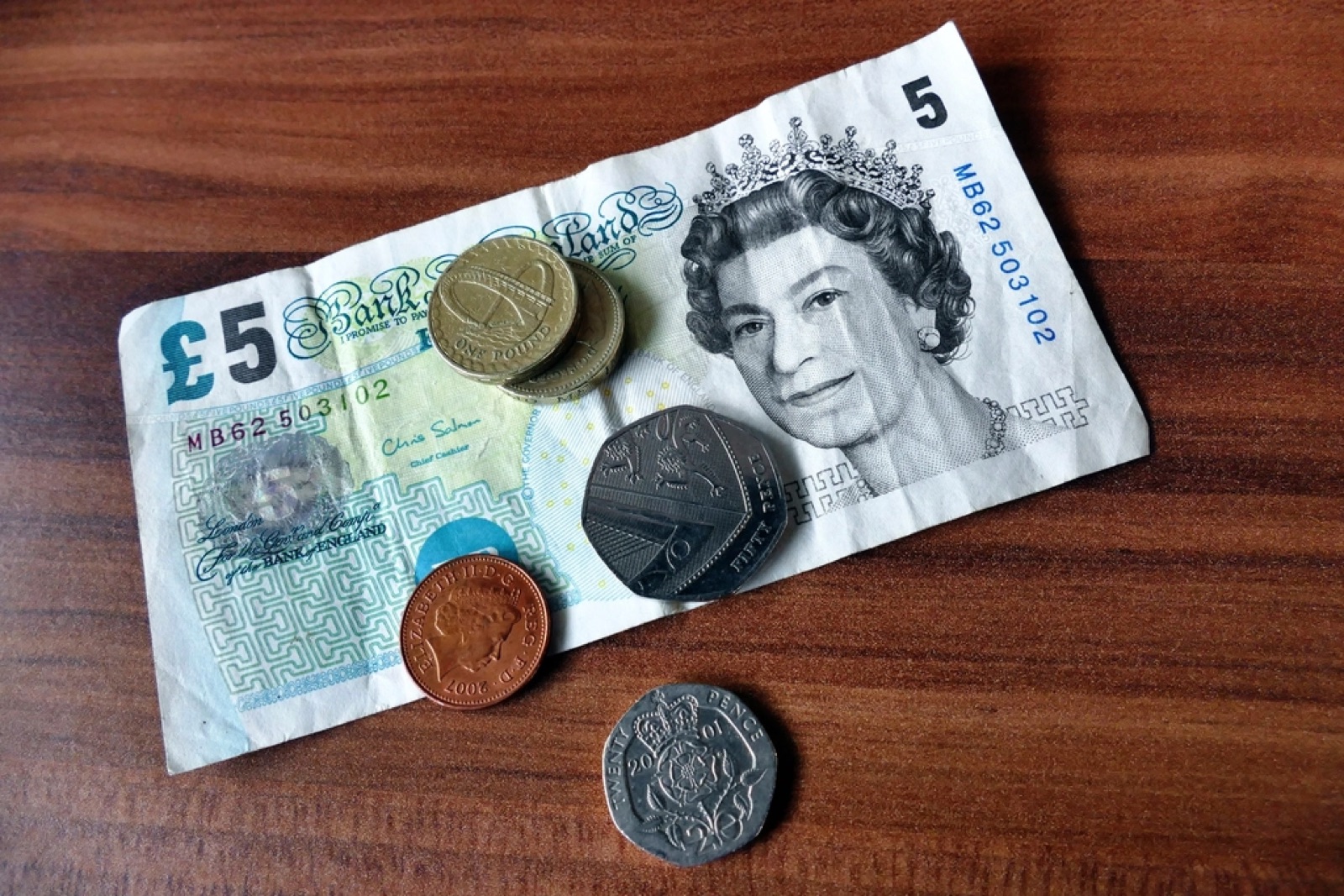
Six years later sterling delivered a second lesson. In September 2022 the short-lived government of Liz Truss announced large unfunded tax cuts without an independent forecast from the Office for Budget Responsibility. The pound dropped to a record low near 1.03 dollars, gilt yields surged, and pension funds using leveraged liability-driven strategies faced collateral calls. The Bank of England had to intervene in the bond market. Within weeks the chancellor was gone, then the prime minister. Here the trigger was not a vote by the public but a perceived breach of fiscal norms, and the market's reaction effectively ended a government.
Emerging markets: where credibility is thinner
Advanced economies usually recover from these episodes because their central banks are trusted and their debt is mostly in their own currency. Emerging markets have less margin. Turkey is the clearest example. Through 2018 and again in late 2021, the lira lost a large share of its value as the government pressed the central bank to cut rates despite high inflation, and governors were dismissed in quick succession. Each personnel change at the central bank was read as a political statement, and the currency moved accordingly.
Argentina belongs in the same family. Its peso has been devalued so many times that households treat the dollar as the real unit of account for savings and property. Primary election results in August 2019, which signaled a likely return of the Peronist opposition, sent the peso down by close to a fifth in a single session. The lesson there was that a currency can react not to a policy that has been adopted but to the mere prospect of who might adopt it.
Mexico offers a more recent case. After the June 2024 election delivered a larger than expected majority for the ruling coalition, the peso fell sharply over the following days. The concern was not the winner but the size of the win, which opened the way for constitutional changes, including an overhaul of the judiciary that investors worried would weaken checks and balances. The peso, one of the most traded emerging-market currencies and a favorite of carry traders, gave up much of its gains for the year in a matter of weeks.
A currency is a running referendum on whether a government's promises can be believed.
What the episodes have in common
Set side by side, the big political currency shocks share a few ingredients:
- Surprise relative to positioning. Markets move most when they were leaning the other way, as with Brexit and the Mexican supermajority.
- A threat to an institution. Central bank independence, fiscal watchdogs and courts are the anchors investors watch; political pressure on any of them matters more than personal scandal.
- Leverage in the system. The gilt crisis became dangerous because pension funds were leveraged. Carry trades played a similar amplifying role in the peso.
- A slow political response. Swings are larger and longer when governments double down, and shorter when they reverse course quickly.
The last point is worth stressing. Personal scandals involving politicians rarely move currencies for long unless they threaten a government's ability to pass budgets or keep coalitions together. By contrast, a technocratic-sounding decision, such as skipping a fiscal forecast or replacing a central bank governor, can trigger a violent move because it goes directly to credibility.
The dollar after the US election
The US presidential election in early November offered a different kind of reaction. The dollar strengthened broadly as investors priced in tariffs, looser fiscal policy and possibly higher interest rates for longer. Currencies of trade partners exposed to tariffs, including the Mexican peso, the Chinese yuan and the euro, weakened. This was not a vote of no confidence in American institutions. It was a repricing of expected policy, with the dollar's reserve status acting as a buffer.
Still, the episode shows that political risk runs in both directions. For countries on the receiving end of trade threats, an election abroad can move their exchange rate as much as a scandal at home. For the United States, the open question is whether future policy surprises will continue to strengthen the dollar or start to erode the premium investors pay for its safety.
Reading the next shock
For readers trying to make sense of the next political headline, the history suggests a simple test. Ask whether the event changes who controls fiscal and monetary policy, or how constrained they are. If it does, expect the currency to move quickly and to keep moving until a credible counterweight appears, usually a central bank, a finance ministry reversal or an election. If it does not, the noise is likely to fade within days.
None of this is investment advice, and currency markets remain notoriously hard to forecast. But the pattern of the last decade is clear enough: exchange rates are where political credibility is priced in real time, and they tend to deliver their judgment long before voters or courts do.