Jun 18, 2026, 7:01 AM
by
Nathan Reeves
5 min read
Why Central Banks Are Buying Gold While the World Buys Digital Dollars
Jun 18, 2026, 7:01 AM · by Nathan Reeves
Official reserve managers are hedging against American politics, while private users adopt dollar stablecoins. The two trends tell different stories about the same currency.
Two opposite movements are reshaping the dollar system at once. In the vaults of central banks, gold is piling up at a pace not seen in more than half a century, as official reserve managers hedge against sanctions, tariffs and the political volatility of Washington. In phones and crypto exchanges, meanwhile, dollar-pegged stablecoins are spreading to users who want exactly what those central banks are diversifying away from: dollars. Understanding both trends, and the politics behind them, is the best way to cut through the loud debate about the end of dollar dominance.
The slow drift in reserves
Start with official reserves. According to the IMF's COFER data, the dollar accounted for roughly 70 percent of disclosed foreign exchange reserves around the turn of the century. Since then its share has declined gradually, to somewhere in the high 50s in recent years. The euro has held at around a fifth, while the yuan, despite years of promotion by Beijing, sits at only about 2 percent. Much of the dollar's lost share has gone to smaller currencies such as the Canadian and Australian dollars and to the Korean won, rather than to any single challenger.
The drift is real but slow, and some of the year-to-year movement reflects exchange rate valuation effects rather than active decisions. When the dollar fell sharply in the first half of 2025, the dollar share of reserves dipped partly because other currencies held in portfolios became worth more in dollar terms. Analysts caution against reading too much into any single quarter.
Gold: the political hedge
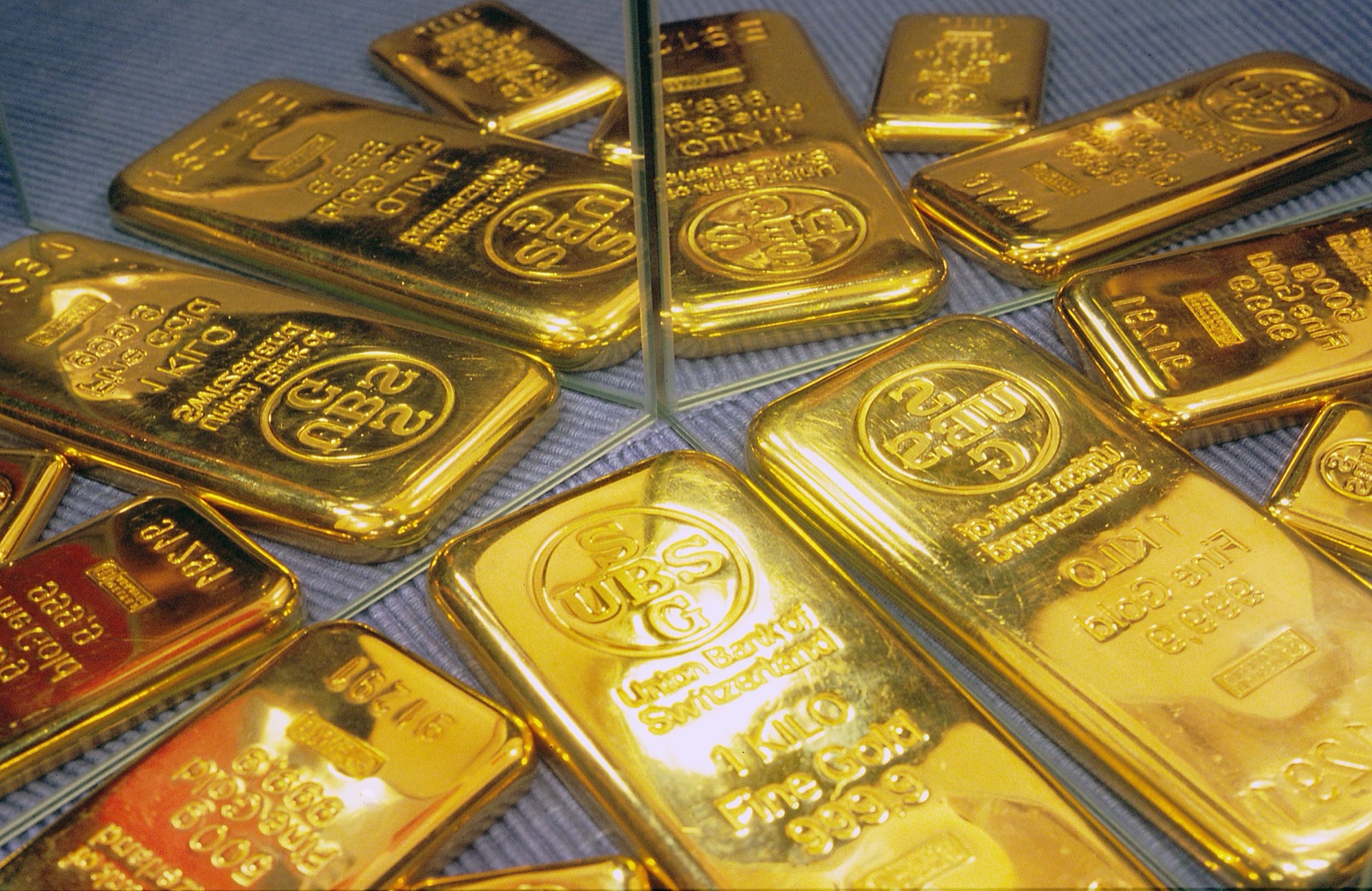
Gold is where the more dramatic shift has taken place. The World Gold Council has reported that central banks bought more than 1,000 tonnes of gold a year in 2022, 2023 and 2024, roughly double the average of the previous decade, and purchases stayed strong in 2025. Poland, China, Turkey and India have been among the largest buyers. By 2025 the ECB noted that gold had overtaken the euro to become the second-largest reserve asset held by central banks at market prices, behind only the dollar.
The timing of the buying spree is telling. It accelerated after Western governments froze a large portion of Russia's central bank reserves in 2022, a move that demonstrated the political risk of holding assets in another country's financial system. It continued through 2025 as tariffs, the April bond market scare and public pressure on the Federal Reserve raised a further question for reserve managers: not only whether their assets could be frozen, but whether US policy would remain predictable.
Gold is not a bet against the dollar's usefulness. It is insurance against the politics that manage it.
Gold has obvious limits as a reserve asset. It pays no interest, it is costly to store and transport, and it cannot be used directly to intervene in currency markets. That is why gold buying is best read as a hedge at the margin rather than an exit from the dollar. The record price rally has also mechanically inflated gold's share of reserves, without central banks necessarily adding tonnes at the same rate.
Stablecoins: dollars from below
The other half of the picture looks very different. Dollar-denominated stablecoins have grown into a market worth several hundred billion dollars, with the two largest tokens accounting for most of it. Since the GENIUS Act created a federal framework in July 2025, regulated issuers must back their tokens with cash, bank deposits and short-term Treasury bills. The result is a new class of buyers for US government debt that did not exist a decade ago.
Stablecoin demand is strongest in places where local currencies are unstable or capital controls are tight, from Argentina and Turkey to Nigeria. For users there, a dollar token on a phone is a way to save and transact in a harder currency without a US bank account. In effect, private technology is exporting dollarization at the retail level, even as some governments try to reduce dollar dependence at the official level.
Comparing the two trends
| Indicator | Direction | What drives it |
|---|---|---|
| Dollar share of FX reserves | Slowly falling, still near 57-58% | Diversification, valuation effects, sanctions risk |
| Central bank gold holdings | Rising strongly since 2022 | Sanctions risk, political uncertainty, price momentum |
| Yuan share of reserves | Flat at around 2% | Capital controls, limited market access |
| Dollar stablecoin supply | Growing fast | Demand in unstable economies, crypto trading, new US law |
The table points to a split between who is diversifying and who is dollarizing. States with geopolitical reasons to fear American power are hedging. Individuals and companies with reasons to fear their own governments' currencies are moving toward the dollar. Populist politics in Washington affects both groups, but in opposite ways.
What the elections could change
With US midterm elections in November, both trends could accelerate or slow depending on the direction of policy. A Congress that pushes back on tariffs or strengthens guarantees for Fed independence could ease the concerns driving official diversification. Continued confrontation with trading partners would likely keep central bank gold demand elevated. Stablecoin growth depends more on regulation, including how other jurisdictions such as the EU under MiCA treat dollar tokens, and on whether foreign governments decide the spread of private dollars threatens their monetary sovereignty.
A system hedged, not abandoned
The data do not support the claim that the world is abandoning the dollar. They show something subtler: a system in which the dollar remains central but is increasingly hedged by those who hold it for reasons of state, and increasingly embraced by those who hold it for personal security. That mixed picture is a direct product of politics, and it will keep shifting with every election.
This article is for information only and is not investment advice.