
Aug 9, 2026, 9:45 AM
by
Nathan Reeves
5 min read
From Buenos Aires to Bangui: Five Lessons From Leaders Who Put Their Names on Crypto
Aug 9, 2026, 9:45 AM · by Nathan Reeves
Politically backed crypto is a global phenomenon. The cases from Latin America and Africa offer a sobering record of what tends to go wrong.
Debate about politics and crypto in the English-language press tends to focus on Washington. Yet some of the most instructive experiments with politically backed crypto have happened elsewhere, in countries where a leader's endorsement carries enormous weight and institutions to check it are weaker. Looking across these cases, the specifics differ but the failure modes repeat. Together they offer a practical guide to the risks of any crypto project that borrows its credibility from political power.
The cases
El Salvador made bitcoin legal tender in 2021, the first country to do so, backed by a state-run wallet and government bitcoin purchases. Adoption for everyday payments stayed low by most surveys, and in early 2025, as part of an IMF financing agreement, the country amended the law so that merchants were no longer obliged to accept bitcoin. The government has continued to promote bitcoin in other ways, but the legal tender experiment was significantly scaled back.
The Central African Republic adopted bitcoin as legal tender in 2022, with limited practical effect given low internet penetration, and later launched a national token project. In early 2025 its president promoted a meme coin presented as a tool to raise the country's profile. It attracted brief attention and heavy volatility, and questions about how it was structured.
Argentina provided the sharpest episode. In February 2025, President Javier Milei posted about a token called LIBRA, described as a way to fund small businesses. Its price surged within minutes and then collapsed within hours as large holders sold. Milei deleted the post and said he had not been aware of the project's details; opposition lawmakers pushed for investigations, and legal proceedings followed. The episode became a political crisis in its own right.
And in the United States, the official $TRUMP meme coin and the family-linked World Liberty Financial showed how political branding could be applied at far greater scale, inside a much deeper market and a newly written stablecoin law.
Lesson one: endorsement is a price event
When a head of state mentions a token, the market treats it as news of the highest order. Prices move before anyone can assess the underlying project. That creates a window in which early holders, often insiders, can sell to late arrivals who trusted the endorsement. Whether or not anyone intends that outcome, the structure produces it.
A leader's post can move a token further in ten minutes than a white paper can in ten months, which is precisely the problem.
Lesson two: supply concentration decides who wins
Across the meme coin cases, the decisive variable was not the leader's popularity but the distribution of supply. When a small number of wallets hold most tokens, the price path after launch is largely determined by when they sell. Retail buyers drawn in by political enthusiasm rarely see that distribution until after the fact.
Lesson three: state adoption is not the same as public adoption
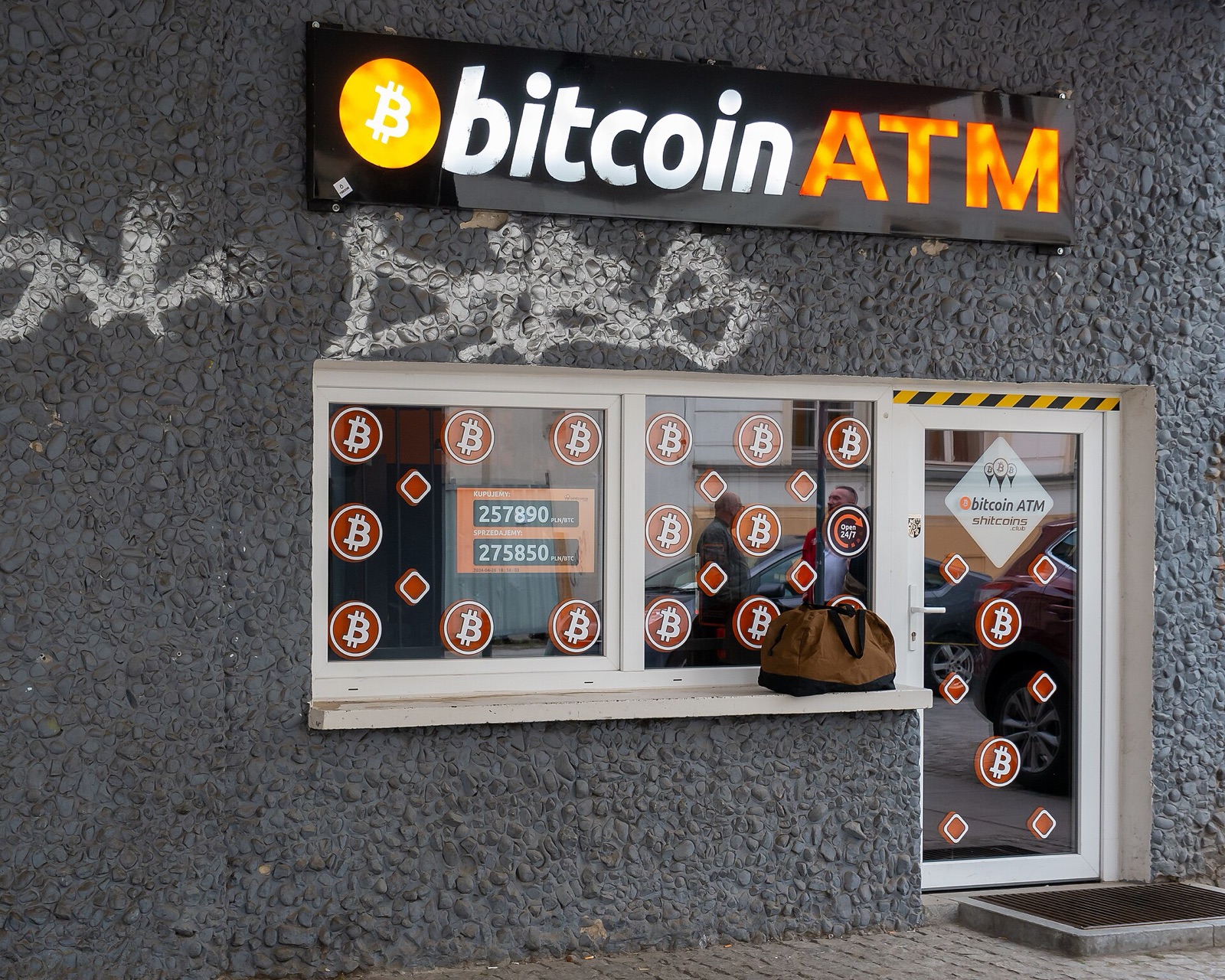
El Salvador showed that a law can make an asset official without making it popular. Citizens kept using dollars for daily life, and remittance flows through crypto stayed modest relative to expectations. State programs can create infrastructure, such as wallets and ATMs, but they cannot mandate trust.
Lesson four: institutions matter more than technology
The same technology behaves very differently depending on the surrounding checks. Where courts, legislatures and independent media can scrutinize a leader's crypto activity, episodes like LIBRA become investigations and policy debates. Where those checks are weak, similar episodes can simply fade without accountability. For outside investors, the strength of local institutions is part of the risk profile of any politically linked asset.
Argentina is an instructive example here. The LIBRA affair generated congressional debate, court filings and sustained press coverage, which at least produced a public record of how the launch worked. That record is itself a form of investor protection, because it shows the next wave of buyers what to look for. In places without such scrutiny, the lessons of a failed launch are rarely written down, and the same pattern can repeat.
Lesson five: the reputational half-life is long
Tokens that collapse in days can shadow political careers for years. Leaders who attach their names to crypto projects take on a lasting liability, and so do the countries whose financial reputations become linked to those projects in the minds of lenders, rating agencies and multilateral institutions.
The IMF's engagement with El Salvador is a reminder that international creditors pay attention. Crypto policy has become part of the conversation around financing, conditionality and fiscal risk, not only a domestic matter.
There is a feedback loop at work. Countries that tie their monetary or fiscal image to volatile assets may face harder questions when they seek financing, which in turn raises the political cost of the next experiment. Some governments have concluded that quieter approaches, such as regulating exchanges, licensing stablecoin issuers or studying a central bank digital currency, carry less reputational risk than a leader personally championing a token.
Reading the pattern
Put together, these cases suggest a checklist that applies to any politically connected crypto project, wherever it launches:
- Who controls the supply, and is that disclosed before launch?
- Is there an independent body that can investigate if something goes wrong?
- Does the project have a use beyond the leader's endorsement?
- What happens to holders if the leader loses office or distances themselves?
Political crypto is unlikely to disappear. Leaders see it as a way to signal modernity, raise money or mobilize supporters, and some projects may yet find durable uses. But the record so far is that political sponsorship adds volatility and governance risk far more reliably than it adds value. This is analysis, not investment advice.