
Jun 20, 2026, 11:07 AM
by
Nathan Reeves
5 min read
What Happens to Political Crypto When Power Changes Hands?
Jun 20, 2026, 11:07 AM · by Nathan Reeves
With midterms on the horizon, investors in politically linked tokens face a risk that rarely appears in white papers: the possibility that the political weather turns.
Crypto likes to describe itself as apolitical infrastructure: code that runs the same way whoever holds office. For most of the market, that is broadly true. For the growing set of projects with explicit political ties, it is not. Their business models, counterparties and regulatory treatment have been shaped by a particular political alignment, and the midterm elections this November are a reminder that alignments are temporary. The question is not whether a shift would matter, but how.
Three channels of reversal risk
Political change reaches crypto projects through a few distinct channels, and they operate on different timelines.
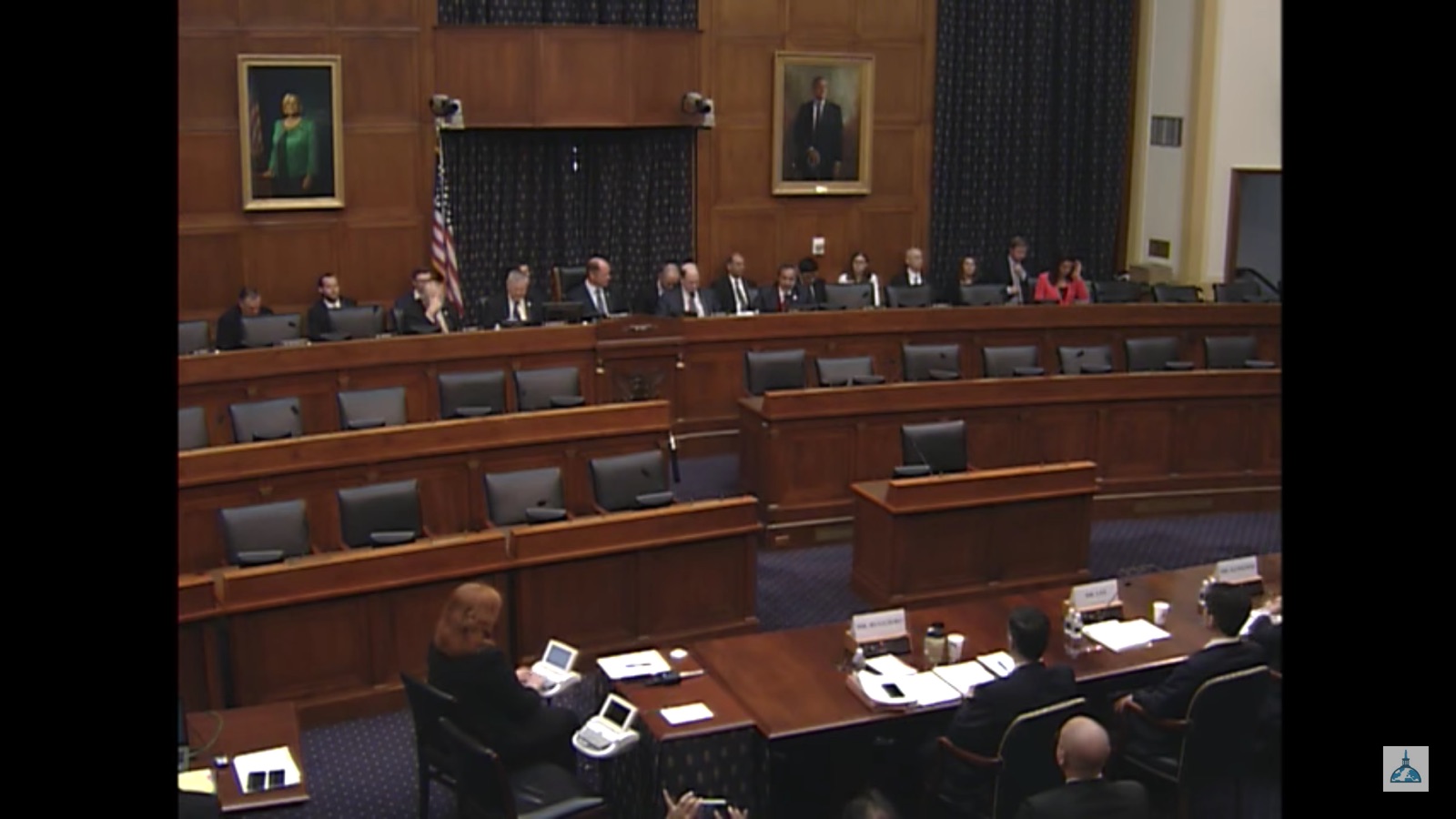
Oversight. A change in control of either chamber of Congress brings subpoena power and control of committee agendas. Projects linked to officials could face hearings, document requests and public scrutiny of their deals, counterparties and token distributions. Oversight rarely changes law directly, but it changes reputations and the willingness of partners to be associated.
Legislation. Stablecoin rules under the GENIUS Act are now law, and repeal is unlikely under any realistic configuration. But implementing rules, amendments to market structure legislation and add-on ethics provisions are all live. A differently composed Congress could revive proposals to restrict officials and their families from owning digital asset issuers.
Enforcement. Regulators have shifted posture sharply over the past eighteen months, dropping or settling many high-profile cases and emphasizing rule-making over litigation. Agency leadership follows the White House more than Congress, so a midterm shift does not directly reverse that. It can, however, change budgets, confirmation outcomes and the political cost of lenient decisions.
There is also a fourth, less formal channel: public attention itself. Politically branded tokens thrive on visibility, and midterm campaigns will put crypto policy, donations from the industry and officials' holdings into advertising and debate. That attention can support prices in the short run and invite scrutiny in the longer run. Industry political spending, which was substantial in the 2024 cycle, ensures the subject will not stay quiet.
Which projects are most exposed
Not every politically associated asset carries the same sensitivity. Exposure depends on how much of the value proposition rests on political proximity.
| Asset type | Dependence on political climate | Most likely pressure point |
|---|---|---|
| Official meme coins | Very high: value is attention | Declining relevance, oversight of insider sales |
| Governance tokens of linked DeFi ventures | High | Investigations of token sales and foreign buyers |
| Fiat-backed stablecoins with political owners | Moderate | Ownership rules, counterparty reputational reviews |
| Mining or treasury firms with political shareholders | Low to moderate | Disclosure scrutiny, shareholder litigation |
The pattern is intuitive. The more an asset is a claim on a person's popularity, the more it depends on that person's political fortunes. The more it is a claim on audited reserves or productive hardware, the more insulated it is, though never entirely.
Code is neutral. Counterparties are not, and they tend to reprice political risk before markets do.
The counterparty channel is the one to watch
Much commentary focuses on laws and lawsuits. In practice, the fastest-moving channel is often private: banks, payment processors, exchanges and institutional allocators deciding whether an association is worth the headline risk. These decisions are made in compliance committees, not in public, and they can shift quickly when the political mood changes or when a project becomes a partisan symbol.
For a stablecoin, losing a major exchange integration or a banking partner can matter more than any hearing. For a governance token, a delisting from one large venue can drain liquidity in days. These are commercial decisions, but they are made with one eye on Washington.
How investors can think about it
Structural risk does not require a forecast of election results. It requires knowing what an asset depends on. A few questions help:
- If the political figure associated with the project left public life tomorrow, what would remain of the value proposition?
- Are reserves, revenues or governance rights documented in a way that would survive hostile scrutiny?
- How concentrated are the project's counterparties, and how exposed are they to reputational pressure?
- Does the project's user base cross political lines, or is holding it itself a political statement?
Projects that answer these well can survive a changing climate, possibly even benefit from being tested. Projects that answer them poorly are, in effect, leveraged bets on a political outcome, whether their holders see them that way or not.
It is worth adding a caution about time horizons. Oversight investigations and legislative fights take months to unfold, and markets often discount them long before any formal outcome. A token can lose much of its political premium in the weeks around an election simply because traders reassess the odds, even if no rule changes for a year or more. Conversely, projects that look exposed can rally if results surprise. Political risk is as much about repricing expectations as about eventual policy.
A cycle, not a verdict
Crypto's relationship with Washington has swung from enforcement-heavy to promotional in a short span, and it could swing partway back. The industry's broader gains, notably a federal stablecoin framework and clearer market structure debates, are likely to persist because they have bipartisan roots. The politically branded fringe is more exposed, because its value was always tied to the specific people in power rather than the rules they wrote.
Outside the United States, the same logic applies with local variations. Wherever a governing party or leader becomes closely associated with a token, an election or coalition change becomes an event risk for that asset. International investors who hold such tokens are, often unknowingly, taking a view on another country's domestic politics.
Whatever November brings, it will be a stress test of which political crypto projects built businesses and which built bets. None of this is investment advice; it is a framework for asking better questions.