Dec 28, 2024, 4:56 PM
by
Nathan Reeves
5 min read
Six Hours of Martial Law, Weeks of Pain: What the Won Tells Us About Political Risk
Dec 28, 2024, 4:56 PM · by Nathan Reeves
South Korea's constitutional crisis pushed the won to its weakest level since the global financial crisis. The case shows how quickly a stable democracy can be repriced.
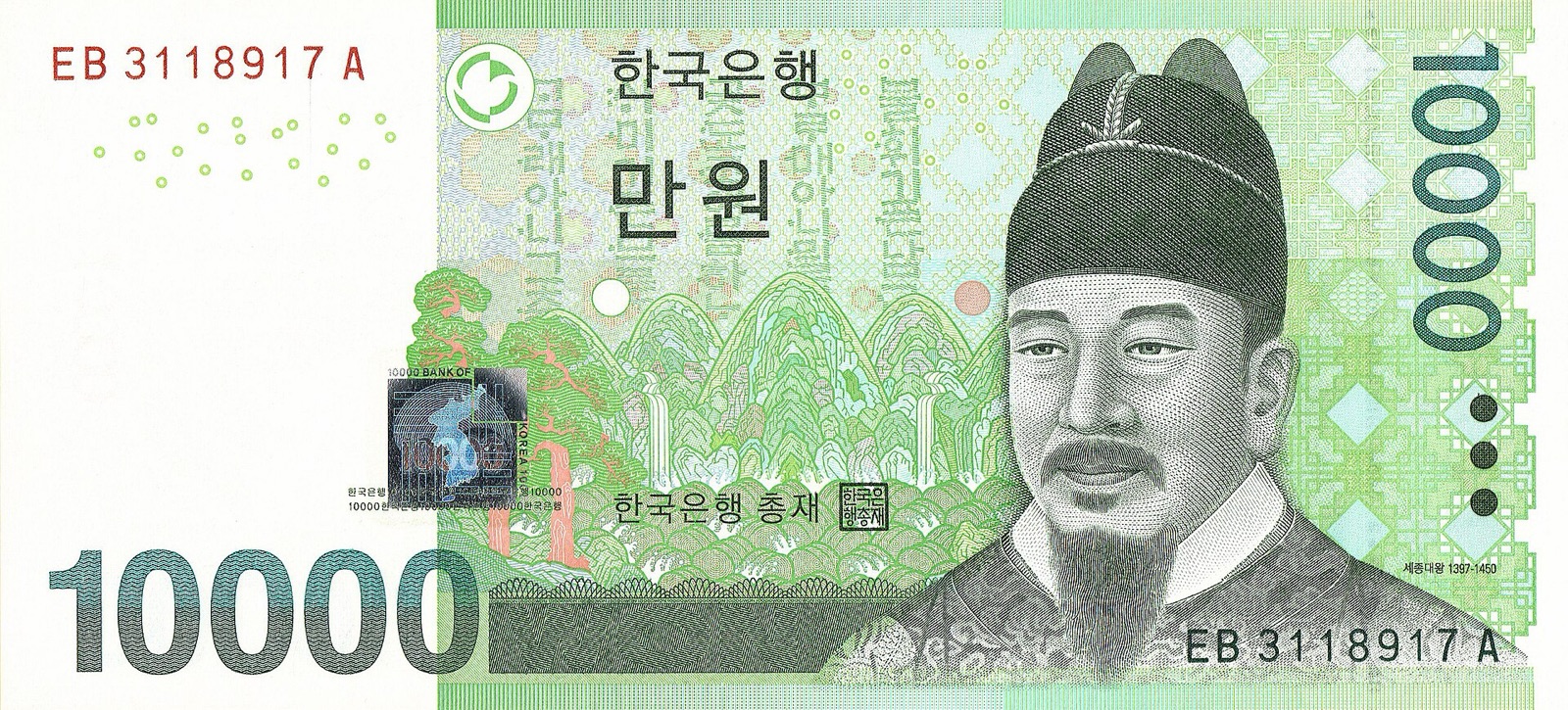
On the night of December 3, South Korea's president declared martial law in a late televised address. Within hours lawmakers had forced their way into the National Assembly and voted the decree down, and it was formally lifted before dawn. As a coup attempt it was brief. As a market event, it has proved long-lasting. By the end of December the won had slid to around 1,470 to 1,480 per dollar, its weakest level since the 2009 global financial crisis, and the country had impeached not only its president but also the acting leader who replaced him.
South Korea is not a fragile emerging market. It is a large exporter with ample foreign exchange reserves, an independent central bank and a deep bond market. That is exactly what makes December's episode useful: it shows how political risk is priced even in a country whose fundamentals are sound.
The first night: liquidity, not panic
The immediate reaction came in offshore trading, since the onshore market was closed. The won dropped sharply as the declaration hit screens, then recovered part of the move once parliament rejected the decree. Authorities moved fast. The finance ministry and the Bank of Korea signaled they would provide unlimited liquidity if needed, and the central bank held an emergency meeting. Pension funds and state institutions were reported to be ready to smooth disorderly moves.
That response prevented a crash. It could not remove the underlying question investors were now asking: who would govern, and for how long would decision-making be paralyzed? The answer took weeks, and each step of it moved the currency.
Equity markets told a similar story. Foreign investors had already been net sellers of Korean stocks for months, worried about the memory-chip cycle and trade policy in Washington. The political crisis gave them another reason to reduce exposure, and those outflows translated directly into demand for dollars. Local retail investors, who had been moving money into US equities, added to the same flow. A weaker won therefore reflected not panic but a steady drip of decisions to hold fewer Korean assets.
From one impeachment to two
The first impeachment motion failed on December 7 when most ruling-party lawmakers walked out. A second vote on December 14 passed, suspending the president's powers and sending the case to the Constitutional Court, which has up to six months to rule. The prime minister became acting president. Markets briefly relaxed, reading the process as a sign that institutions were working.
The relief did not last. A standoff developed over appointments to vacant seats on the Constitutional Court, and on December 27 the National Assembly impeached the acting president as well. The finance minister became the second acting leader in two weeks. The won weakened again, adding to losses that were already large.
| Date | Political event | Market reading |
|---|---|---|
| Dec 3 | Martial law declared and lifted within hours | Sharp offshore sell-off, partial rebound |
| Dec 7 | First impeachment vote fails | Uncertainty extended |
| Dec 14 | President impeached, powers suspended | Short-lived relief |
| Dec 27 | Acting president impeached | Renewed weakness near 2009 lows |
Why a strong economy still paid a price
Three forces explain why the won took such a hit. The first is timing. The political crisis landed just as the dollar was already strong after the US election, with investors expecting tariffs that would weigh on export-driven economies like Korea. Political risk arrived on top of an existing trade risk, and the two compounded.
The second is policy paralysis. A caretaker government struggles to negotiate with a new US administration, pass supplementary budgets or respond quickly if exports weaken. Investors value the ability to act, not only the soundness of the balance sheet.
The third is the Bank of Korea's dilemma. Growth was already soft, and the central bank had begun cutting rates. A weaker currency limits how far it can ease without importing inflation, and heavy intervention would drain reserves. That constraint, rather than any threat to solvency, is what kept pressure on the exchange rate.
There is also a fourth, quieter factor: credit ratings. Agencies said they were monitoring the situation, and while none moved to downgrade, the mere prospect of a review raises the cost of holding Korean bonds for some institutional investors. In a country where foreign participation in government debt markets had been growing, that sensitivity matters.
Markets did not doubt that Korean democracy would survive. They doubted how long it would take to find someone in charge.
Lessons beyond Seoul
December brought a second example from Europe. In France, the government of Michel Barnier fell to a no-confidence vote on December 4 over its budget, the first successful censure motion in more than six decades. The euro reaction was modest, but French borrowing costs moved closer to those of Greece, a sign of how budget politics is now priced in the bond market rather than the currency.
The contrast is instructive. France shares a currency with nineteen other countries, so its political risk shows up in spreads. Korea has its own currency, so the won absorbs the shock directly. In both cases the issue was the same: a government unable to pass a budget or act decisively.
What comes next
The path from here runs through the Constitutional Court, which will decide whether to uphold the president's removal, and through any early presidential election that follows. Until there is a clear timetable, the won is likely to remain sensitive to court hearings, investigations and party maneuvering, as well as to trade signals from Washington.
For global investors the takeaway is not that South Korea has become a risky market. It is that political risk premiums can appear quickly even in mature democracies, and that they fade only when the question of who governs is settled. This analysis is not investment advice; it is a reminder that institutions, not headlines, set the price of a currency over time.