Jun 29, 2025, 7:40 PM
by
Nathan Reeves
5 min read
Political Memecoins and the Ethics Gap Nobody Has Closed
Jun 29, 2025, 7:40 PM · by Nathan Reeves
From a presidential token dinner to a scandal in Buenos Aires, memecoins tied to politicians are testing rules written long before crypto existed.
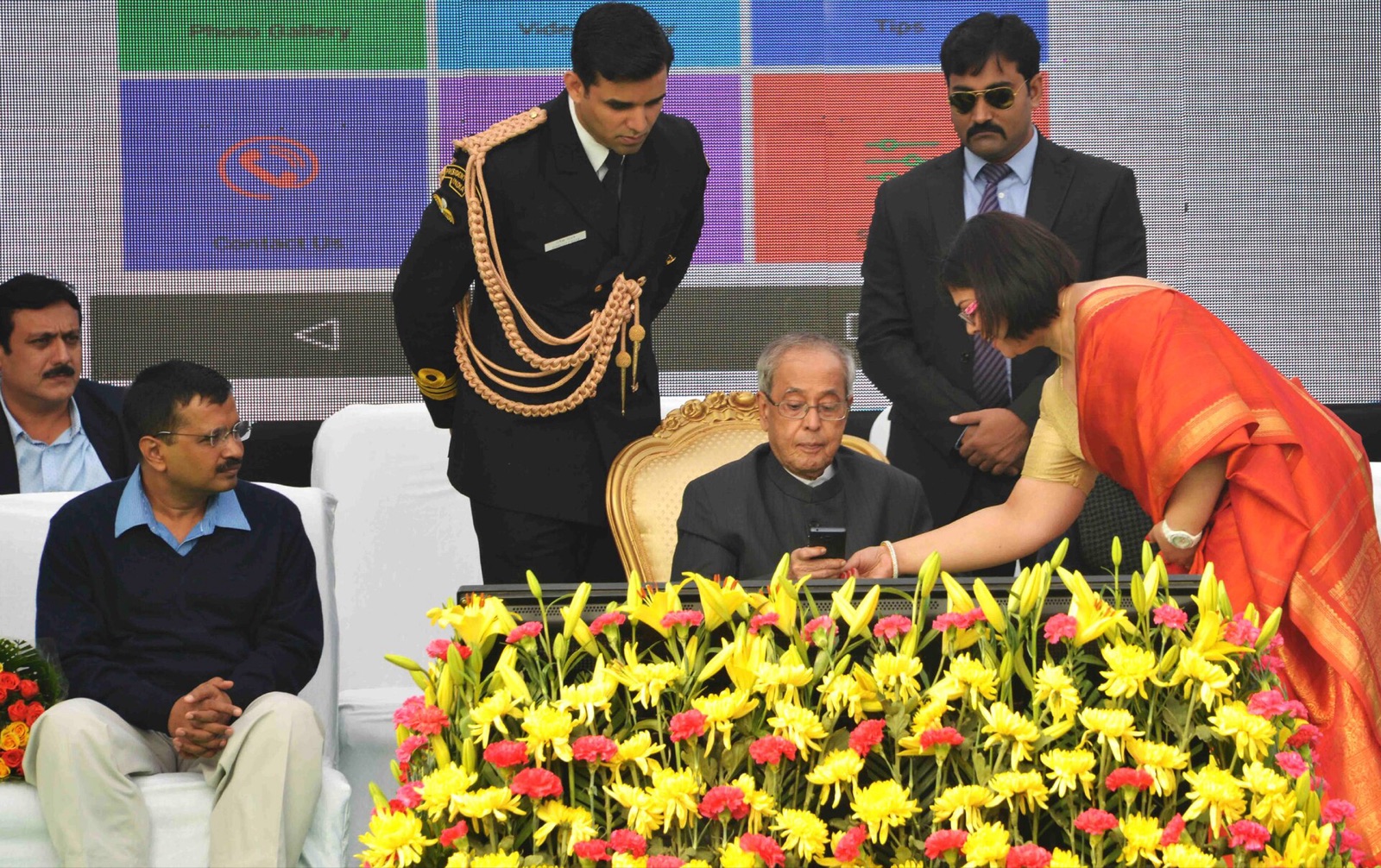
Three days before his inauguration in January, the incoming US president launched a memecoin bearing his name. Within hours it was worth billions of dollars on paper, and a second token tied to the future first lady followed. In May, the project hosted a dinner at a golf club outside Washington for its largest holders, many of them anonymous wallets. On the other side of the hemisphere, Argentina's president had in February promoted a token called LIBRA on social media, only for its price to collapse within hours and his post to be deleted. Politicians and memecoins have become a recurring headline of 2025.
These episodes differ in important ways, but together they expose a gap. Rules on gifts, conflicts of interest, campaign finance and market manipulation were written for a world of stock tips and envelopes of cash. Tokens launched and promoted by political figures, often through social media and alternative media channels, fall between those rules.
What a political memecoin is
A memecoin is a token with no claim on cash flows, assets or governance. Its value rests on attention and community. That is why the connection to a well-known figure is so powerful: a name recognized by millions is the ultimate marketing asset. When that name belongs to a head of state, attention turns into trading volume almost instantly.
The economics usually favor insiders. Large shares of the supply are typically held by the creators and affiliated entities, often subject to lockups that expire over time. Early buyers with fast trading bots can profit in the first minutes. Late buyers drawn in by headlines and social media buzz often end up holding tokens worth a fraction of what they paid. Blockchain analytics firms have documented that pattern across many launches, political or not.
Political memecoins are not new. Tokens using the names or images of candidates have appeared in every recent election cycle, most of them launched by anonymous traders with no connection to the politician. What changed in 2025 is that the politicians themselves, or entities tied to them, became the issuers or promoters. That shift turns a speculative novelty into a question of public ethics.
Two cases, two systems
In the United States, the presidential token has been criticized by Democratic lawmakers, some Republicans and ethics experts, who argue that it creates a channel for anyone, including foreign buyers, to transfer value to entities linked to a sitting president. Organizers describe it as a fan and community project and say the president's involvement does not create conflicts. The May dinner, offered as a reward to top holders, intensified the debate. Proposals in Congress to bar senior officials from issuing or promoting digital assets have so far not advanced.
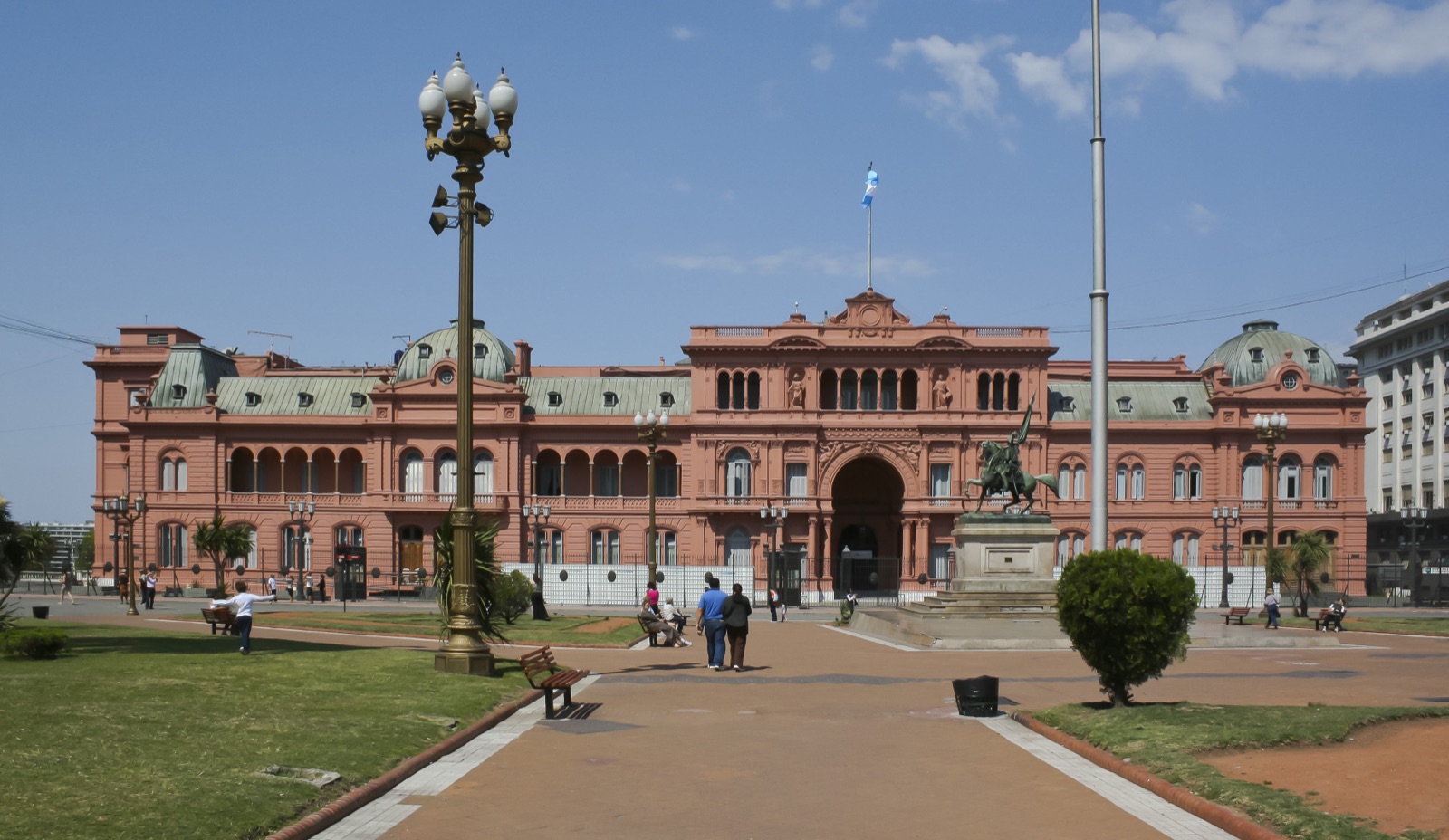
In Argentina, the LIBRA affair took a different path. The president's post promoting the token as a way to finance small businesses drew a rush of buyers, before insiders sold heavily and the price collapsed. He later said he had not been aware of the project's details and deleted the post. The episode prompted legal complaints, a judicial investigation and congressional scrutiny, and became a significant political problem for a government built on an image of economic seriousness.
Other leaders have experimented too. The president of the Central African Republic promoted a national memecoin in February, presenting it as a way to draw attention and investment to the country. The pattern is the same everywhere: a political figure lends a name, social media does the distribution, and the market decides within hours whether the attention can be monetized.
A politician's post can now do what a central bank announcement does: move money within minutes. Only one of them comes with rules.
The role of alternative media
Political memecoins spread through the same channels that power populist politics: X posts, Telegram groups, livestreams and podcast mentions. Influencers who straddle crypto and political commentary can move significant money by talking about a token, sometimes without disclosing that they hold it. Traditional media coverage usually arrives later, often after the price has peaked.
This matters because audiences in these ecosystems are often primed to distrust mainstream warnings. When newspapers or regulators raise concerns, the message can be dismissed as elite hostility toward outsiders. That dynamic makes political memecoins especially risky for retail buyers who follow a leader or a commentator out of political loyalty rather than financial analysis.
Where the rules fall short
- Securities law: US regulators have said most memecoins are not securities, which removes many disclosure and anti-fraud obligations that would apply to shares.
- Ethics rules: financial disclosure forms were not designed for tokens whose value can swing by billions in days.
- Campaign finance: buying a token is not a donation, even if it benefits a politician's businesses.
- Foreign influence: anonymous wallets make it hard to know who is on the other side of the trade.
Europe's MiCA regulation, which has applied fully since the end of 2024, imposes disclosure rules on many token offerings, but memecoins launched offshore and traded on decentralized exchanges can still reach European buyers. Globally, no jurisdiction has yet produced a clear framework for tokens tied to sitting officials.
What would change the picture
Several options are under discussion: bans on officials launching or promoting tokens, mandatory disclosure of holdings and sales, cooling-off periods, and stronger enforcement against pump-and-dump schemes regardless of who promotes them. None is likely to pass quickly in a polarized Congress, but the issue is unlikely to fade while the tokens remain in the news.
For now, the burden falls on buyers. Political memecoins are among the most speculative instruments in an already speculative market, and their prices depend on attention that can vanish overnight. This article is not investment advice, and readers should treat any token promoted by a politician with extra caution.