Jun 29, 2026, 11:28 AM
by
Nathan Reeves
5 min read
Is This the End of Money as We Know It? Six Questions That Will Decide
Jun 29, 2026, 11:28 AM · by Nathan Reeves
Cash is fading, stablecoins are rising and central banks are rethinking public money. The outcome is not settled, but the choices are becoming clearer.
For most of modern history, money has come in a simple two-tier form. Central banks issue the base: cash for the public and reserves for banks. Commercial banks create most of the money people actually use, as deposits, promising to convert them one for one into central bank money. Almost every element of that arrangement is now being tested. Cash use is falling in many countries. Private stablecoins offer a new form of digital money outside banks. Central banks are debating whether to issue digital currencies of their own. The phrase 'the end of money as we know it' is dramatic, but the questions behind it are real. Here are six that will decide the answer.
1. What happens as cash declines?
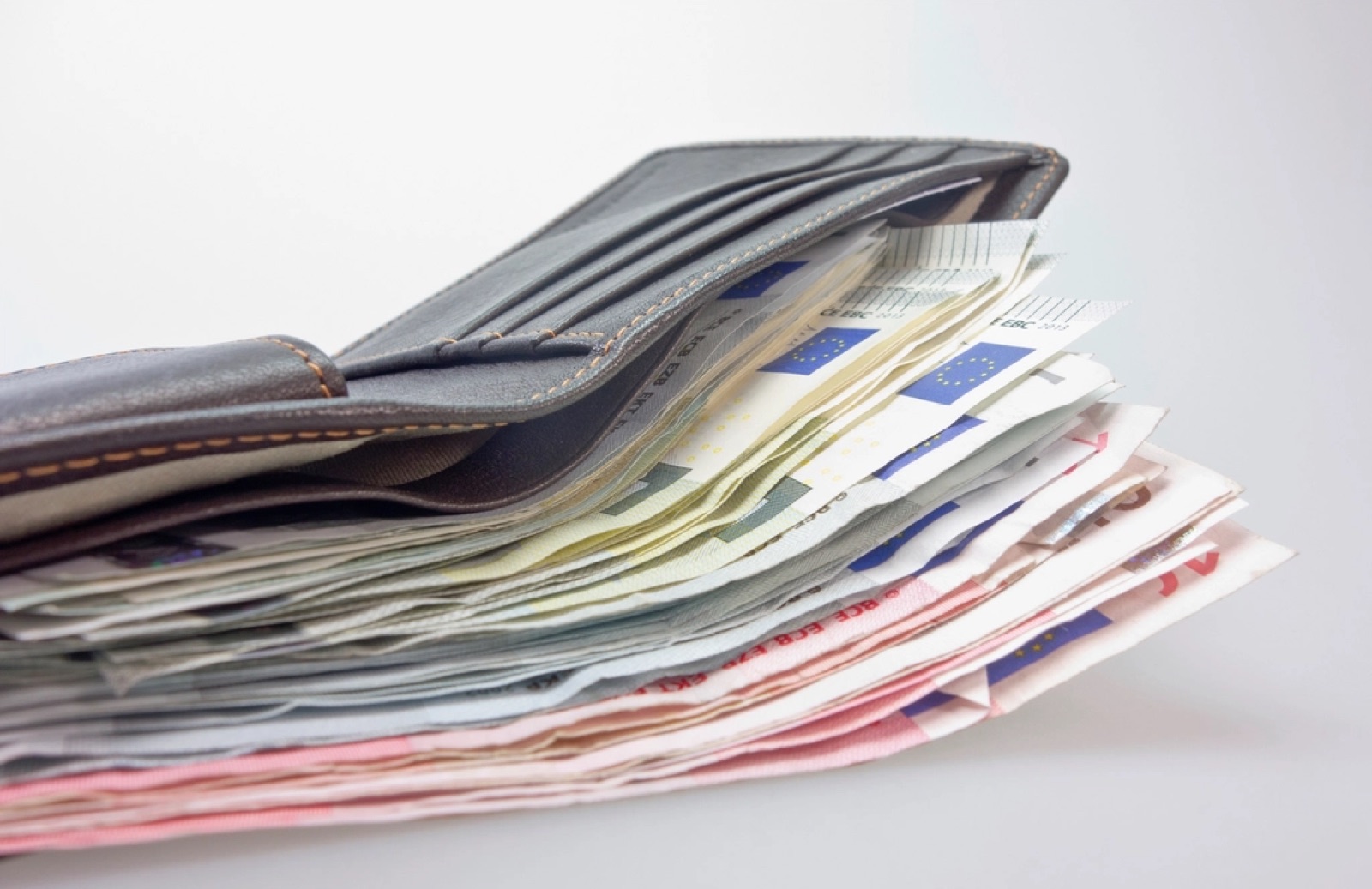
In countries such as Sweden and Norway, cash has become a small fraction of payments, and many shops no longer accept it. The Swedish central bank has warned about the risks of a society in which the public has no direct access to central bank money, and Sweden has taken steps to protect access to cash and payment resilience. The broader issue is that cash is the only form of public money ordinary people can hold. If it disappears, all everyday money becomes private, a claim on a bank or a payment firm. Whether that matters depends on whether private money remains fully trusted, which in turn depends on regulation and deposit insurance.
2. Will public digital money exist?
This is where the major economies diverge most. The United States has ruled out a retail CBDC. The eurozone is moving toward a possible digital euro, with the ECB pressing on with preparations while legislation remains under negotiation. The UK has kept its options open. China has deployed the e-CNY at large scale. The outcome will not be a single global model but a patchwork, with some currency areas offering public digital money and others relying entirely on regulated private money.
3. How big do stablecoins get?
Dollar stablecoins have grown into a market worth hundreds of billions of dollars and now operate under a federal legal framework in the United States. Their success raises a question central bankers have been debating openly. If stablecoins become widely used for payments and savings, especially outside the US, they could become a parallel monetary system with limited ties to the central bank beyond their reserve holdings. The BIS has argued that stablecoins fail key tests of sound money, while supporters see them as the most practical way to bring programmable dollars to the internet.
The real contest is not between cash and digital. It is between public money, bank money and platform money.
4. Where do banks fit?
Commercial banks sit at the heart of the current system because deposits fund lending. Both CBDCs and stablecoins threaten that role in different ways. A retail CBDC could draw deposits into central bank money; stablecoins could draw them into token reserves held at a few custodians. Banks are responding by tokenizing deposits, joining stablecoin consortia and lobbying for rules such as holding limits and yield restrictions. The long-term question is whether banks remain the main issuers of everyday money or become one supplier among several.
The stakes go beyond bank profits. Deposits that leave the banking system do not fund mortgages or business loans in the same way. If a large share of household money migrated to stablecoin reserves invested in short-term government debt, credit could become scarcer or more expensive for the private economy, while governments would find a new captive buyer for their bills. Economists disagree on how large this effect would be, but it is a central reason central bankers watch the stablecoin market with more interest than its current size alone would justify.
5. Can privacy survive digitization?
Cash offers something no digital system has fully replicated: payments that leave no record with a third party. As payments digitize, whether through cards, apps, CBDCs or stablecoins, more financial behavior becomes data. Privacy concerns have been the strongest political argument against CBDCs, but the same concerns apply to private platforms, which already collect vast amounts of payment data. How privacy is protected, through law, technology or both, will shape public trust in any new form of money.
6. Who sets the rules for cross-border money?
International payments remain slow and expensive for many users. Stablecoins, CBDC bridges, fast payment linkages and tokenized deposits all promise improvements. But cross-border money is also geopolitical. Platforms that bypass traditional correspondent banking can be used to evade sanctions, and major powers are wary of infrastructure controlled by rivals. The G20 has set targets for faster, cheaper cross-border payments by 2027, but progress depends on cooperation that is harder to achieve in a fragmenting world.
| Question | Main actors | Direction of travel |
|---|---|---|
| Cash decline | Central banks, legislators | Efforts to protect access and resilience |
| Public digital money | ECB, PBoC, Bank of England | Diverging national choices |
| Stablecoin scale | Issuers, US regulators, BIS | Growth under new legal frameworks |
| Role of banks | Commercial banks, supervisors | Tokenized deposits and defensive lobbying |
| Privacy | Legislators, data regulators | Contested; central to public trust |
| Cross-border | G20, FSB, BIS | Many initiatives, slow convergence |
Not an ending, a rebalancing
Money as we know it is not about to vanish. Central banks will still set interest rates, banks will still take deposits and lend, and most people will still think in dollars, euros or yuan. What is changing is the balance among the different forms of money and the institutions that issue them. Over the next decade, the mix of public money, bank money and platform money will shift, and the choices made now about CBDCs, stablecoin rules and cash access will determine where the balance settles. It will be a gradual transformation rather than a sudden break, and that makes it easy to underestimate. None of this is investment advice.