Oct 20, 2024, 7:07 PM
by
Nathan Reeves
6 min read
From the Cross of Gold to the Nixon Shock: How Populist Moments Have Reshaped the Dollar
Oct 20, 2024, 7:07 PM · by Nathan Reeves
Every few decades an electoral revolt forces Washington to rethink what the dollar is for. History suggests the currency usually survives, but the rules around it change.
With a little over two weeks until Americans vote, the dollar is once again part of the campaign conversation. Candidates argue about tariffs, about whether the currency is too strong for American factories, about the independence of the Federal Reserve and about a national debt that has passed $35 trillion. To many investors this feels new and slightly alarming. It is neither. American money has been a battlefield for populist politics since the nineteenth century, and the pattern of those fights says a lot about what could come next.
The recurring story is simple to state. When a large group of voters feels that the monetary system works for creditors, coastal finance or foreign competitors rather than for them, a political movement arises to change the rules. Sometimes it wins, sometimes it loses, and sometimes it loses the election but wins the argument a few years later. What rarely happens is the collapse of the dollar itself. The system bends, gets renegotiated and carries on.
1896: the farmers' revolt against gold
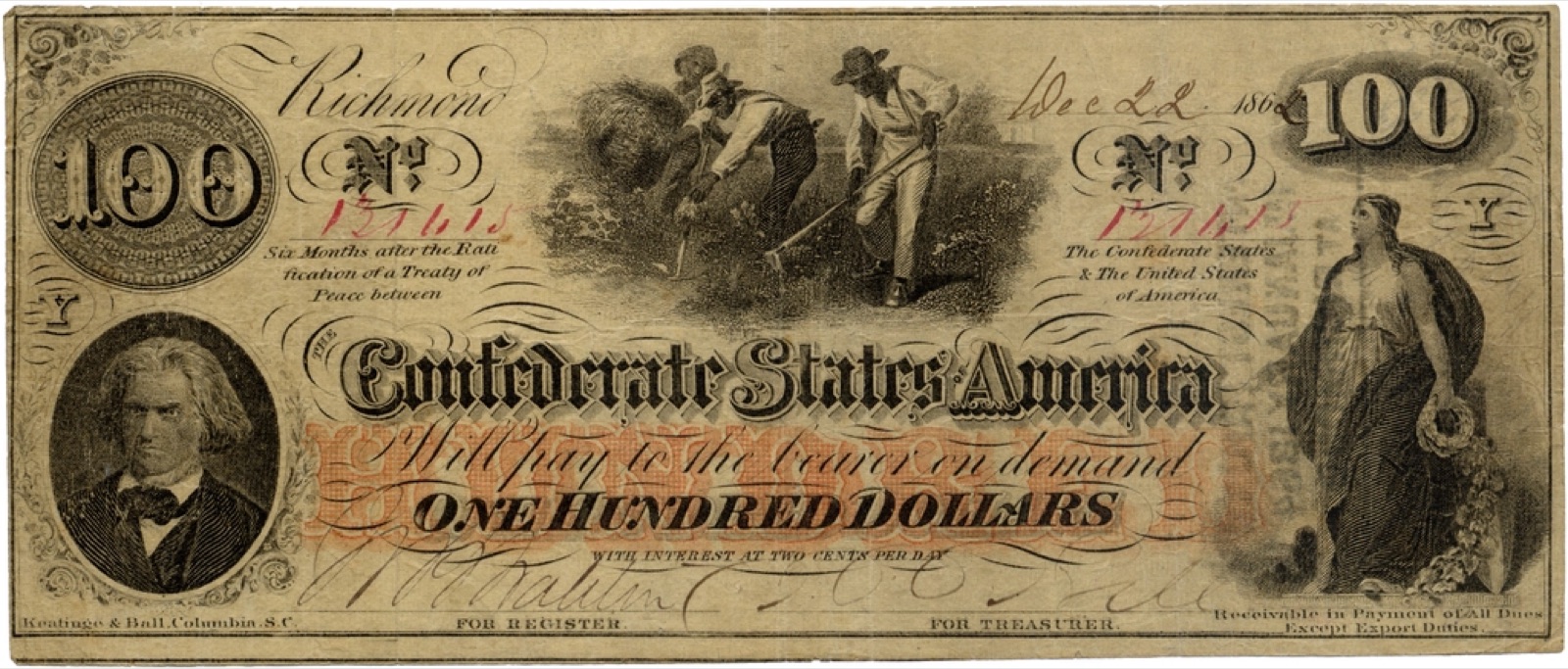
The first great populist campaign over money came in the 1890s. American farmers in the South and West were squeezed by falling crop prices and heavy debts fixed in dollars that kept gaining purchasing power under the gold standard. Deflation made every mortgage payment more expensive in real terms. The Populist Party, and then the Democratic nominee William Jennings Bryan, demanded the free coinage of silver to expand the money supply and ease the burden on debtors.
Bryan's famous "Cross of Gold" speech at the 1896 convention framed the gold standard as a moral wrong imposed by bankers on working people. He lost that election and the next one. Yet the underlying complaint did not go away. New gold discoveries loosened money anyway, and within two decades Congress created the Federal Reserve in 1913, in part to provide the elastic currency that agrarian reformers had wanted. The lesson from the first round: populists can lose at the ballot box and still move the institutional design.
1933 and 1971: presidents break the link
The second and third turning points came from inside the White House. In 1933, amid the Depression and bank failures, Franklin Roosevelt took the United States off the domestic gold standard, required citizens to hand in most private gold holdings and later revalued gold from about $20.67 to $35 an ounce. It was a sweeping act of monetary nationalism justified by an economic emergency and backed by a public furious at the banks.
Then in August 1971 Richard Nixon closed the gold window, ending the convertibility of foreign-held dollars into gold that underpinned the Bretton Woods system. The move, known as the Nixon shock, came with a temporary 10 percent import surcharge and wage and price controls. Its political logic was domestic: protect jobs, blame currency speculators and foreign trading partners, and head into the 1972 election looking decisive. Allies were furious, and the famous line attributed to his Treasury secretary, that the dollar was "our currency, but your problem," captured the mood.
The dollar has survived every populist revolt against it, but it has never come out of one with the same rules it went in with.
Many commentators in the 1970s predicted the end of dollar dominance. Instead the world moved to floating exchange rates with the dollar still at the center, oil priced in dollars and a new era of dollar-denominated lending. The shock ended one monetary order and, somewhat by accident, created a more flexible one that was arguably even more dollar-centric.
1985: managing the strong dollar
The fourth episode is the closest parallel to today's debate. In the early 1980s, high interest rates under the Fed and large budget deficits pushed the dollar to extraordinary strength. American manufacturers lost ground to Japanese and German rivals, and Congress filled with protectionist bills. Rather than let trade politics spin out of control, the Reagan administration's Treasury negotiated the Plaza Accord in 1985 with the other major economies to push the dollar down in a coordinated way.
Plaza worked in the narrow sense that the dollar fell sharply over the next two years. It also showed the tools available to a government that wants a weaker currency: diplomacy, coordinated intervention and pressure on partners to stimulate their own economies. Those tools depend on allies being willing to cooperate, which is a very different situation from a world in which the main trading partner is China and trust between capitals is thin.
What the pattern suggests for 2024
Placed side by side, these episodes share a few features that are worth keeping in mind as the current campaign ends.
- Grievance comes first. Each episode began with a group that felt the dollar's value was set against its interests: indebted farmers, unemployed workers, factory towns hit by imports.
- Rules change, dominance persists. Gold convertibility, fixed parities and exchange rate targets all changed, while the dollar's global role stayed intact or grew.
- Allies pay part of the bill. From 1971 to 1985, a large share of the adjustment cost fell on trading partners, which bred resentment but not an alternative.
- Institutions are the real target. The lasting results were new institutions or new constraints on old ones, from the Fed's creation to the end of Bretton Woods.
Today's version of the argument features familiar elements. There is talk of broad tariffs, of the benefits of a cheaper dollar for exporters, and of giving the president more say over interest rates. There is also a novel twist: some politicians now pitch bitcoin and crypto as a kind of populist answer to the Fed, echoing the nineteenth century's hard-money and soft-money fights in a digital register. Meanwhile, rival powers talk openly about settling more trade outside the dollar, a theme that will be on the agenda at the BRICS summit in Kazan this week.
None of this guarantees a crisis. The dollar still dominates foreign exchange trading, trade invoicing and central bank reserves, and there is no obvious replacement with deep, open capital markets and a trusted legal system. What history does suggest is that a determined populist government can change the terms on which the rest of the world uses the dollar, and that markets tend to underestimate how far those changes can go.
A currency shaped by elections
The dollar is often described as a technocratic asset, managed by independent central bankers and priced by global markets. Its history says otherwise. It is also a political settlement that American voters have revisited roughly once a generation. Whichever candidate wins in November, the question will be less whether the dollar survives and more which rules around it get rewritten, and who ends up paying for the change.
This article is for information only and is not investment advice.