Aug 20, 2025, 3:16 PM
by
Nathan Reeves
5 min read
Gold, Coins and Secret Systems: How Conspiracy Influencers Monetize Financial Fear
Aug 20, 2025, 3:16 PM · by Nathan Reeves
From 'quantum financial system' myths to politically themed meme tokens, the business model of conspiracy media increasingly runs through investment products.
Conspiracy media has always needed a business model. For much of the twentieth century it was newsletters and mail-order books; in the early internet era, advertising and supplements. In the 2020s, a growing share of the revenue runs through finance. Precious-metals dealers sponsor podcasts that warn of imminent currency collapse. Telegram channels promise that a secret new monetary system will make believers rich. Political meme tokens rise and fall in days on the energy of online communities. The common thread is fear turned into a sales funnel, and the people paying are often those least able to absorb the loss.
The collapse narrative as a marketing tool
Many conspiracy-leaning audiences share a core belief: that the financial system is controlled by hidden elites and heading for a deliberate collapse. The belief is flexible. It can attach to central banks, to digital currencies, to international institutions or to specific individuals. What it reliably does is create demand for protection. A listener who believes a crash is coming is primed to buy gold, silver, survival gear or whatever asset is presented as outside the system.
Gold and silver are legitimate assets that many mainstream investors hold. The problem arises in how they are sold to these audiences: at large markups over the metal's value, in collectible formats that are hard to resell, or bundled with retirement account rollovers that carry high fees. Consumer regulators in several countries have pursued cases against precious-metals sellers over such practices, and investor education sites routinely warn about high-pressure sales that rely on fear.

The 'reset' myths
A more extreme strand of the conspiracy economy revolves around promises of a coming financial reset. Believers in theories known by acronyms such as NESARA and GESARA, and in a supposed 'quantum financial system,' claim that a secret plan will soon cancel debts, revalue certain foreign currencies and distribute enormous wealth to those who are prepared. None of this has any basis in fact. The theories have been repeatedly debunked, and the dates announced for the reset pass without incident.
What they have produced is a market for worthless products. Promoters have sold large-denomination banknotes from currencies such as the old Zimbabwean dollar or the Iraqi dinar, claiming they will be revalued at huge multiples. Others sell access to 'redemption centers,' special crypto tokens said to be linked to the new system, or paid memberships in private groups that promise insider information about the timing. These schemes often overlap with QAnon-adjacent communities, which primed audiences to expect a secret plan unfolding behind the scenes.
The conspiracy tells you the system is about to collapse. The sales pitch tells you what to buy before it does.
Meme tokens and political fandom
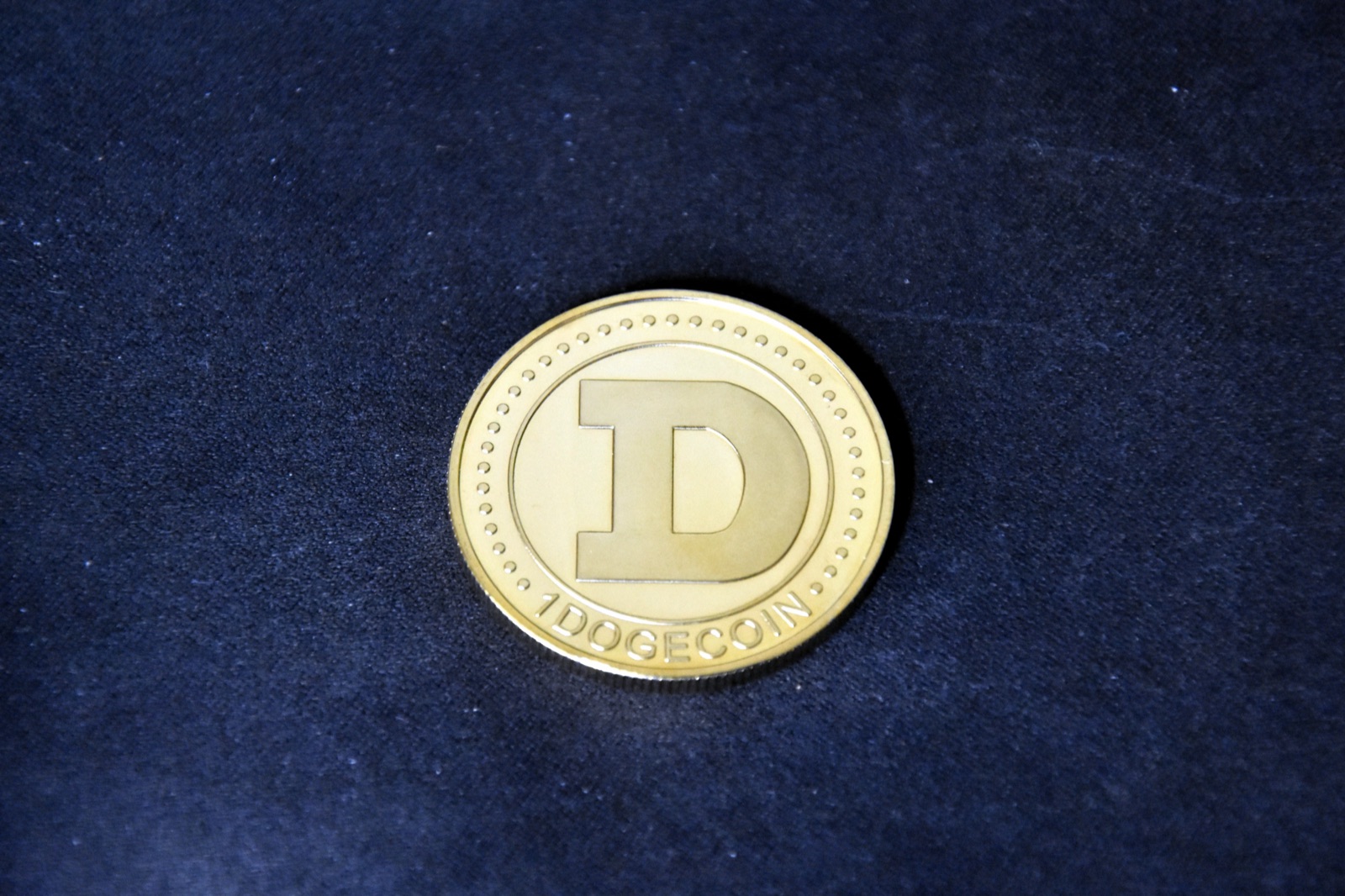
Crypto added a new channel. Launching a token now takes minutes, and political or cultural communities can be mobilized to buy in quickly. The past year has offered high-profile examples. A meme coin associated with the US president launched in January shortly before the inauguration, surged and then fell sharply, drawing criticism over conflicts of interest and concentration of supply among insiders. In February, a token promoted by Argentina's president on social media collapsed within hours of launch, leading to legal complaints and investigations in Argentina and elsewhere.
These are not conspiracy products in themselves, but they illustrate a mechanism that conspiracy communities are especially vulnerable to. When a token is framed as a way to support a movement or to stick it to the establishment, buying becomes an act of identity rather than a financial calculation. Early insiders can sell into that enthusiasm, and later buyers bear the losses. Questioning the project becomes a sign of disloyalty, and critics are dismissed as agents of the very establishment the token is meant to defy. On-chain analyses of many such launches find that a small number of wallets capture a large share of the profits.
| Product | Typical pitch | Common outcome |
|---|---|---|
| Precious metals at markups | Protection from engineered collapse | Buyer overpays relative to metal value |
| Foreign 'revaluation' currency | Secret reset will multiply value | Notes stay nearly worthless |
| Reset-linked tokens | Access to a hidden new system | Token has no underlying function |
| Movement meme coins | Support the cause and profit | Early insiders sell; latecomers lose |
Why platforms struggle to intervene
Platforms moderate some of this content, particularly explicit fraud. But much of the funnel lives in a gray zone. A podcast host warning about inflation and recommending a sponsor's gold is expressing an opinion. A Telegram channel discussing a supposed reset may not directly sell anything, while linking to a site that does. Meme tokens are often not registered securities, and their legal status has been contested. Enforcement agencies tend to act after losses mount, and victims can be reluctant to come forward, either from embarrassment or because they distrust authorities.
How to read the warning signs
- A product sold as the only safe option before an imminent, specific catastrophe.
- Promises of guaranteed multiples tied to secret events or insider timing.
- Pressure to act quickly and to keep the opportunity within the group.
- Hostility to independent checking, framed as protection against 'the system.'
Following the money
Treating conspiracy theories only as a problem of false beliefs misses how they sustain themselves. They are an economy, with sponsors, affiliate links, token launches and paid memberships. Understanding that economy is the most practical way to protect people from its costs, and to see why the most alarming messages are often attached to a checkout button. As always, nothing here is investment advice; it is a guide to the incentives behind the pitch.